Hook
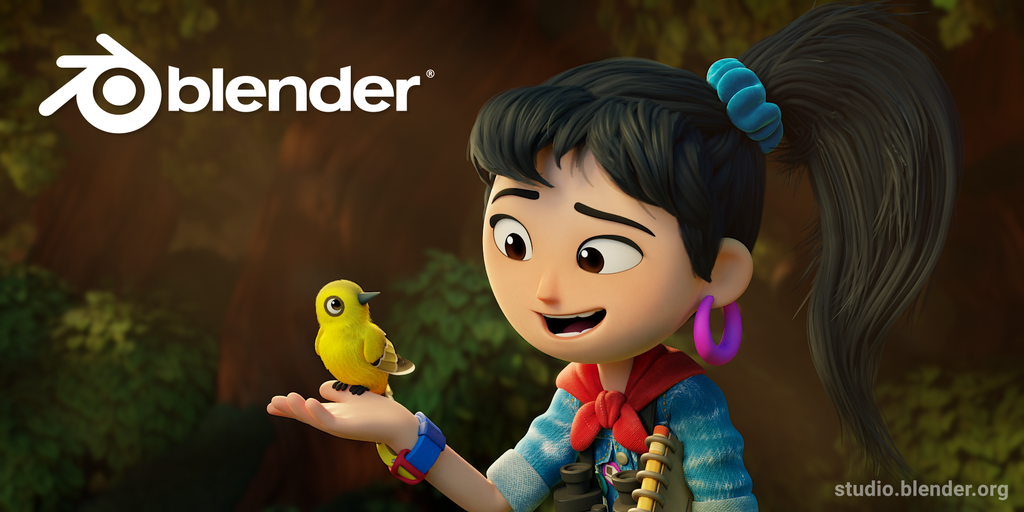
While every other tool in our toolbox is racing to bolt a generative-AI button onto its UI, Blender just did the opposite. On May 1, 2026, the Blender Foundation amended a corporate funding deal with an AI company, restated that “no generative AI functionality is currently available or planned” in Blender, and announced it will write a formal, public AI policy. In a year of nonstop “prompt-to-everything” launches, the most open-source 3D app on Earth planting a flag on human authorship is a genuinely big deal.
The Story
Here’s what happened. Anthropic — the company behind the Claude models — joined Blender’s Development Fund as a Corporate Patron. The Development Fund is the recurring-donation engine that pays Blender’s developers and keeps the software free and GPL for everyone. Anthropic showing up on the sponsor wall set off an immediate community discussion: an AI lab funding the tool that artists increasingly feel is being threatened by AI labs.
The Foundation listened and moved fast. Rather than an ongoing sponsorship, Anthropic’s contribution was converted to a one-time donation, with no future planned contributions and no public sponsor association. Chairman Francesco Siddi confirmed that “Anthropic has been informed and supports this decision,” and that the funds will support “core activities for the Blender project, supporting human-driven development, art, and creativity.”

Crucially, the Foundation didn’t just refund a check and move on. It used the moment to commit to two things. First, it will strengthen its donation-acceptance processes so future corporate money is vetted against clearer principles. Second — and this is the part that matters long-term — it will draft a formal AI policy, in the open, on blender.org channels, covering the product, software development, documentation, and contributions.
That last point connects to a quieter problem developers have been flagging on the dev forums: a rising tide of AI-generated pull requests submitted by contributors who don’t fully understand what they’re submitting, dumping the review burden onto maintainers. A contributions policy with disclosure requirements is squarely aimed at that. The Foundation has also said AI experimentation isn’t banned outright — internal “lab” projects are exploring how AI-assisted tools might support workflows rather than replace authorship, treated as one experimental area alongside rendering, animation, and assets.
Why You Should Care
If you read this Lab regularly, you know we’re enthusiasts about AI 3D tools — we cover Tripo, Meshy, Rodin, ComfyUI, Gaussian splatting and the rest with real excitement. So why care about a tool saying “no thanks” to gen-AI? Because governance is a feature. Blender’s independence is the reason it’s free, open, and not subject to a subscription rug-pull. Who funds it, and under what conditions, directly shapes the software you rely on. A foundation that turns down ongoing money on principle is signaling that artist trust outranks the easiest dollar — and that’s rare.
It also draws a useful line for the whole industry. There’s a real difference between AI-assisted workflows (denoising, retopo suggestions, an MCP server letting an assistant drive the app on your command) and AI-generated authorship that replaces the human. Blender isn’t slamming the door on the former — the add-on ecosystem already brims with ComfyUI bridges, text-to-texture and assistant integrations, and those keep working. It’s refusing to bake replacement-style gen-AI into the core. For a community that has watched other DCC apps quietly turn into AI funnels, that distinction is reassuring.
Follow It
- Read the source: the Blender Foundation’s announcement and the upcoming AI policy drafts will be posted on blender.org/news.
- Have a say: the policy is being written in public — the AI Contributions Policy thread on devtalk.blender.org is where the contribution-disclosure rules are being hashed out.
- Support it directly: if you want Blender to keep saying no to strings-attached money, the Development Fund is funded by users like you.
- Keep the AI workflows: assistant and ComfyUI add-ons (Dream Textures, the ComfyUI-BlenderAI node, MCP servers) are unaffected — assisted, opt-in, human-in-the-loop.
IK3D Lab Take
We love AI tools and we’ll keep championing them — but we love Blender’s spine more. The smart move here isn’t the “no gen-AI” headline; it’s the maturity underneath it: vet your funders, write the rules in the open, and separate assist from replace instead of pretending the line doesn’t exist. Most companies would have cashed the check and updated the sponsor page. Blender turned it into a governance upgrade and a public conversation. As both AI optimists and Blender lifers, that’s exactly the kind of grown-up we want steering the tool the whole community is built on. Watch the policy drafts closely — this is the template other open-source projects will copy.