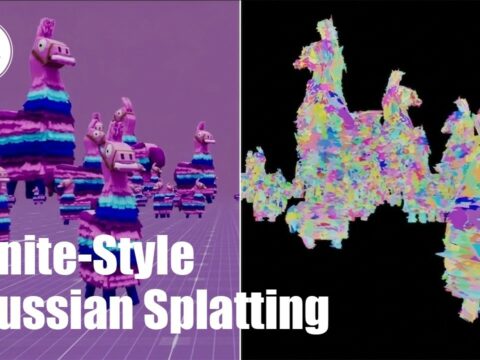
One small dev shop in Brooklyn just pulled off a quiet miracle. Spatial Fields 1.3, the only viewer that takes Gaussian Splatting seriously across the entire Apple stack — iPhone, iPad, Mac, Apple TV, and Vision Pro — just added native import for 3DGUT USDZ. Translation: NVIDIA’s research-grade ray-traceable splats with reflections, refractions, fisheye lenses and rolling-shutter cameras now drop straight onto your phone, in AR, with one tap.
The Story
Six months ago, Contrast Media Labs shipped Spatial Fields as the first serious 3DGS viewer on Vision Pro with full spherical harmonics. Then they added LCC streaming so XGRIDS’ multi-gigabyte point clouds could load on an iPhone without melting it. Now, in version 1.3, they’re doing something nobody else has tried: importing NVIDIA’s 3DGUT format — the one that was supposed to live inside Omniverse and Isaac Sim — straight onto an Apple Vision Pro.
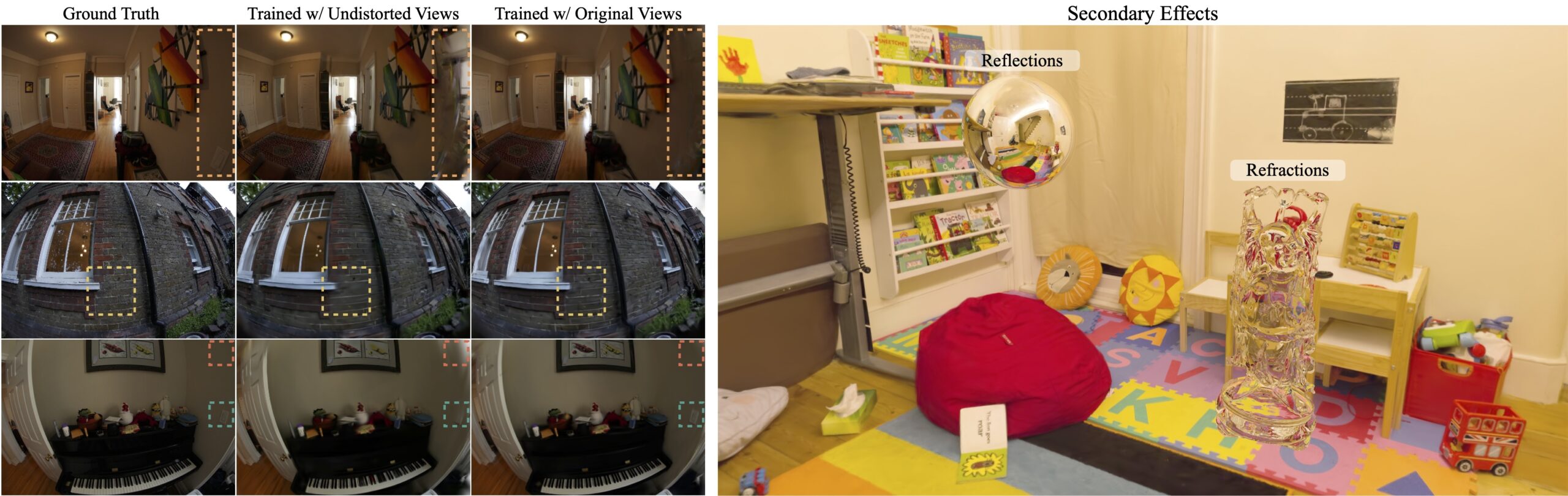
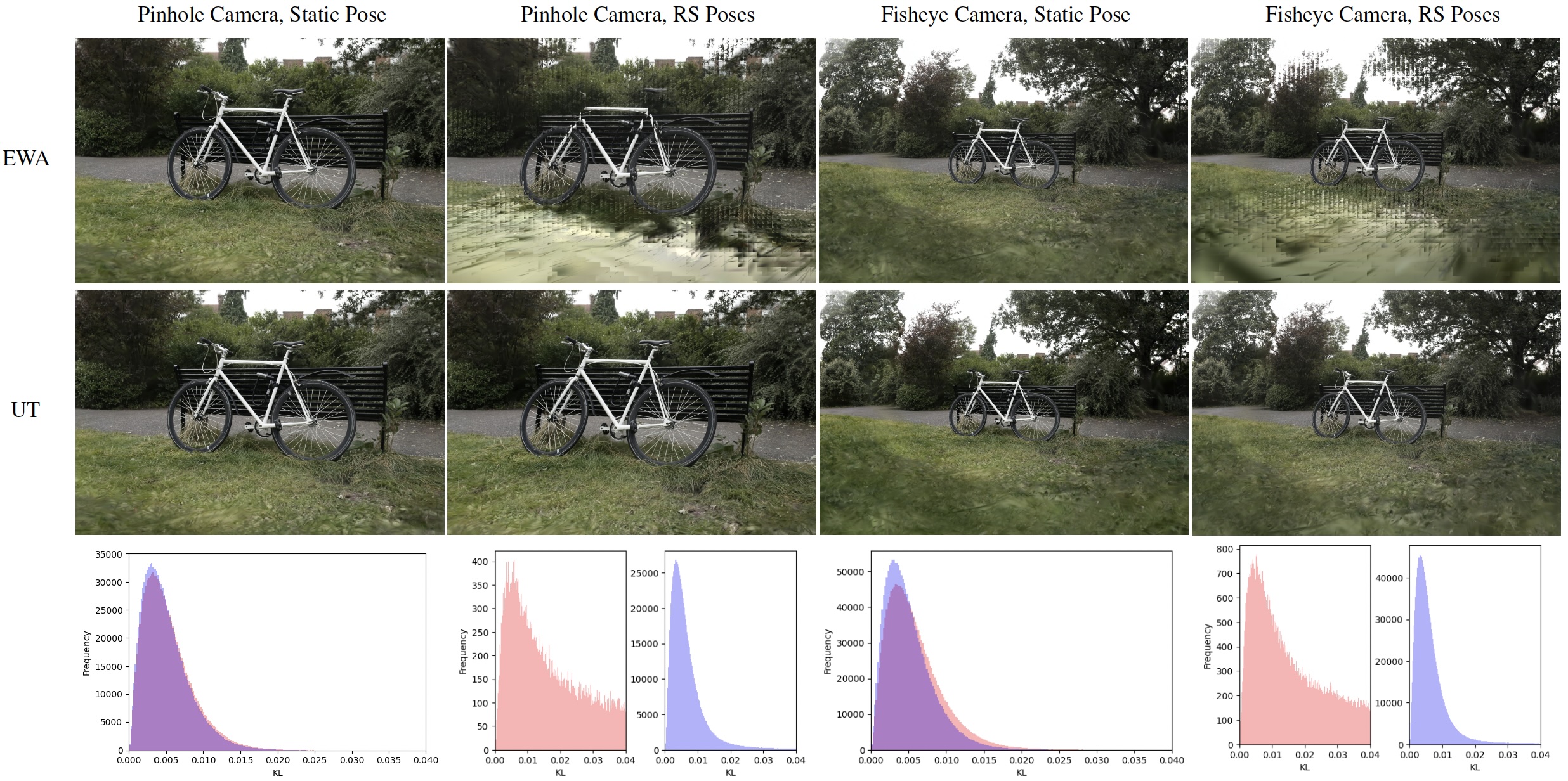
If you haven’t been tracking it, 3DGUT (3D Gaussian Unscented Transform) is the work NVIDIA’s Toronto lab dropped at CVPR. Standard 3DGS approximates how a Gaussian projects onto a sensor with an Elliptical Weighted Average — a linear approximation that quietly assumes pinhole cameras and zero secondary rays. 3DGUT throws that out and uses the Unscented Transform to project sigma points exactly. The result: fisheye lenses, 360 cameras, rolling-shutter cars, reflections in mirrors, refractions through glass — all of it rasterizable at real-time speeds, no path tracer required.
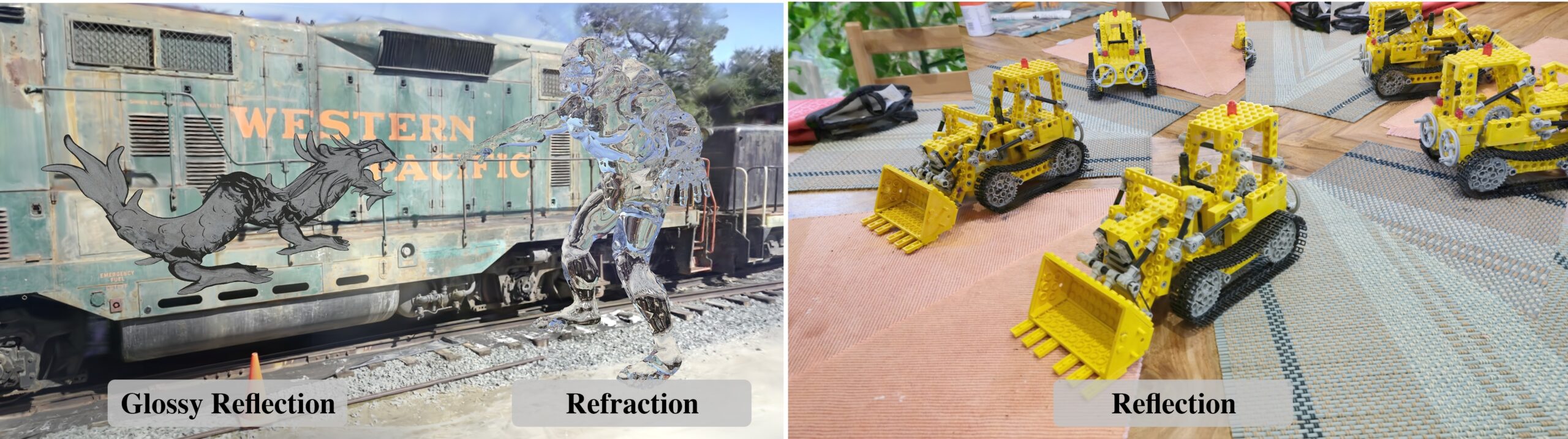
NVIDIA wrapped that research in a custom USDZ extension so trained scenes could be opened in Omniverse and Isaac Sim. That was supposed to be the destination. Contrast Media Labs apparently looked at the spec and said, “or, you know, an iPhone.” And then they did it.
What’s Actually New in 1.3
- 3DGUT USDZ import — drop a scene exported from NVIDIA’s 3dgrut pipeline and it opens natively. Distorted cameras and reflective particles come along for the ride.
- Better LCC dynamic LOD performance — the XGRIDS LCC streamer (which already let you carry hundred-million-splat captures around in your pocket) got measurably faster on tile swaps. Pans and head turns feel less “wobbly” on Vision Pro near the 300k splat budget.
- Larger captures in AR mode — the augmented-reality placement mode now handles scenes that used to crash it. Place a building-scale splat in your living room and walk around it.
- Format support across the board — PLY, SPZ (Niantic’s compressed format), LCC (XGRIDS), and now USDZ. All four major splat containers in one viewer.
Why You Should Care
Six weeks ago we wrote about OpenUSD and glTF ratifying Gaussian Splatting as infrastructure. This is the second-order effect: the formats are settled, so now the viewers compete on what they support. Spatial Fields 1.3 just made itself the only place on consumer Apple hardware where you can:
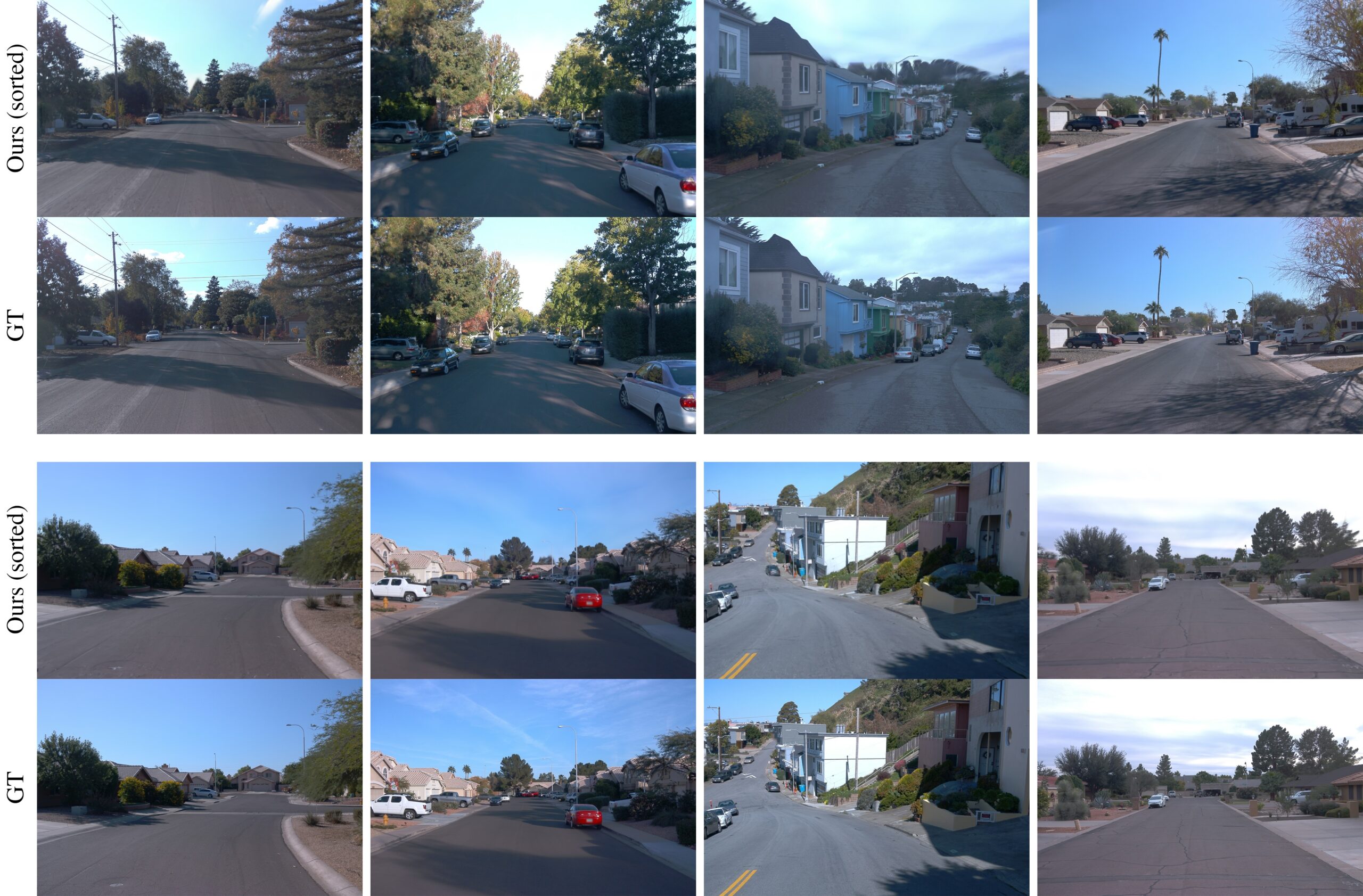
- Open a research-grade NVIDIA scene with reflective metal and curved glass — on a phone.
- Stream a 500-million-splat XGRIDS K2 LiDAR capture on a Mac and have it stay smooth.
- Hand a client a USDZ link, have them open it in AR mode in their kitchen, no app explanation needed.
That last point is the sleeper. The dirty secret of Gaussian Splatting is that the capture pipeline (NeRFStudio, gsplat, 3dgrut, Postshot, etc.) and the consumption pipeline (Vision Pro, web viewers, AR) have lived in parallel universes. One viewer that eats all four major formats — and treats AR placement as a first-class feature — collapses that gap. If you’re an architect handing splats to clients, a heritage scanner sharing a site with researchers, or a VFX shop reviewing a scan on the couch through Apple TV, this is your default viewer now.
Try It / Follow Them
- App: Spatial Fields on the App Store — $24.99, universal across iPhone, iPad, Mac, Apple TV, Vision Pro.
- Site: spatialfields.app — sample LCC captures and import guides.
- 3DGUT source: nv-tlabs/3dgrut on GitHub. Train your own, export to USDZ, AirDrop to your headset.
- Research paper: 3DGUT: Enabling Distorted Cameras and Secondary Rays in Gaussian Splatting.
- News tracking: the Radiance Fields aggregator — they broke the 1.3 release first.
IK3D Lab Take
This is the kind of release we love at IK3D: zero hype, no funding announcement, no GPU-melting demo on stage — just a tiny team in Brooklyn quietly absorbing every new format the field invents and shipping it into the one device most non-3D people actually own. The 3DGS world spent 2025 fighting about which container format would win. In 2026 the answer turned out to be “all of them, and your viewer ships them all.”
If you’ve been hesitating to buy a Vision Pro “because there’s nothing to do on it” — open Spatial Fields, drop a 3DGUT scene into your kitchen, and walk around it. That’s what it was built for. We told you the splat infrastructure was settling. This is what settled infrastructure looks like: a phone, a $25 app, and NVIDIA-grade ray-traceable Gaussians in your hand.