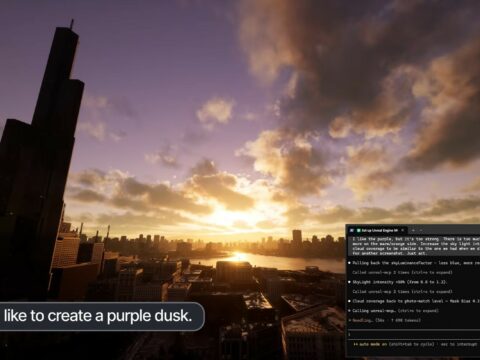
Every other splat renderer rasterizes. OTOY built the first one that ray-traces. In Octane 2026 a Gaussian splat is no longer a screen-space gimmick — it lights other geometry, casts shadows, shows up in reflections, refractions and depth-of-field, and gets picked up by global illumination like a regular mesh. That is a step change for anyone who actually has to land splats in a shot.
The Story
OTOY has been quietly building this for a year. The 2026.1 alpha showed up on the Octane forums with Gaussian Splatting and a Neural Radiance Cache wired straight into the path tracer. The public release of OctaneStudio+ 2026 turned that experiment into a shipping product — and OTOY then announced the 2027 roadmap that pushes it further than anyone in the splat space.
The headline is simple: Octane 2026 is the first commercial path tracer to natively load, shade and relight Gaussian splats with full spectral lighting. It eats .ply and Scaniverse’s compressed .spz files. View-dependent effects are preserved through spherical harmonics, so the captured radiance still “feels” right. But because the renderer is path-traced, the splats now obey the same lighting rules as the rest of your scene.
Why You Should Care
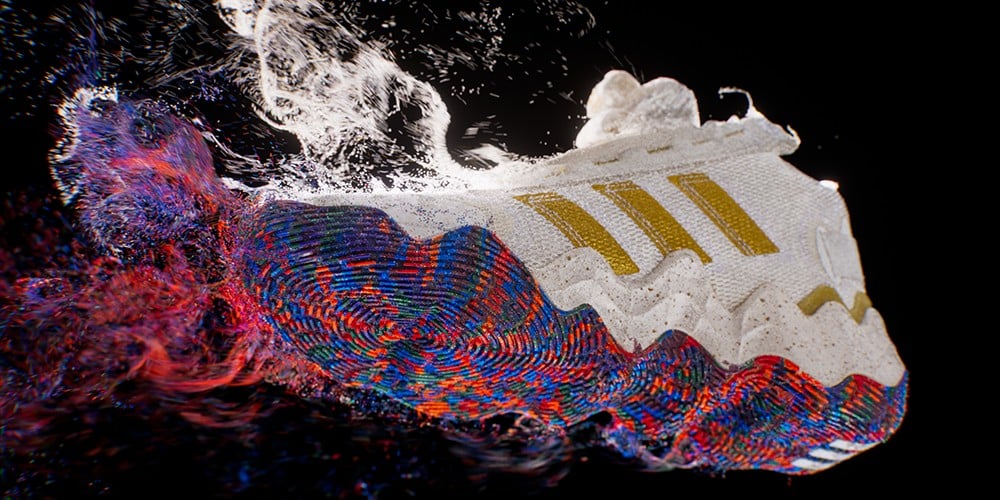
If you have ever tried to integrate a Luma capture or a Polycam scan into a real production scene, you know the pain. The splat lives in its own bubble — gorgeous to look at, impossible to relight, useless under a different sun. Comp tricks only get you so far. What artists actually need is the splat to behave like geometry: take a key light, kick a fill into reflective metal, drop a contact shadow on a plate.
That is what changed. In Octane 2026:
- Splats contribute to scene lighting — they bleed bounce light into nearby geometry.
- Splats appear in reflections and refractions — chrome and glass don’t break anymore.
- Splats cast shadows on meshes and on each other.
- The full Octane camera model applies — DoF, motion blur, lens distortion, the whole stack.
- Path tracing means a splat sun rig actually relights the rest of the scene physically.
Yes, ray-tracing splats is slower than rasterizing them. That is the price of physically correct light. The point of Octane is not real-time playback — it is a final-pixel renderer for film, advertising and arch-viz, and that is exactly the audience that has been waiting for splats to grow up.
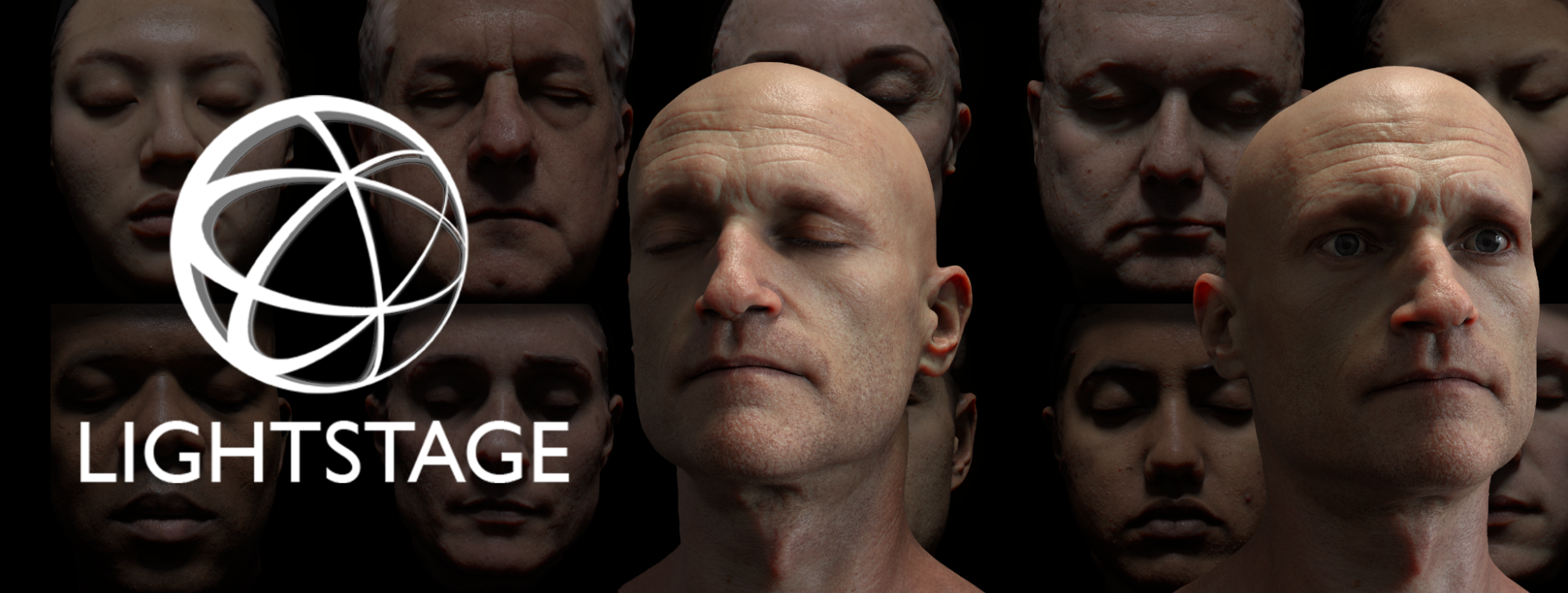
.ply Gaussian splat models. Hundreds of faces, bodies and expressions, ready to relight. Source: OTOYThe Bundle Is Almost Embarrassing
OctaneStudio+ 2026 is €16.65/month on annual billing and the bundle is borderline absurd: Greyscalegorilla Plus for the full year, KitBash3D’s Ghost Realm and Brutalist 2055 kits, World Creator, Architron, Cascadeur, MoI 3D, Sculptron, the Vectron Ultimate VFX bundle, and the LightStage MetaFace / MetaBody scans — re-released this year as native Gaussian splats. There’s also a three-month Marble Pro pass from World Labs, so you can text-prompt a 3D world and drop it straight into a path-traced scene.
And there’s OTOY Studio — the new neural front-end that pipes 700+ generative tools (Topaz, DeepMind, Higgsfield, Kling, Runway, LTX, Luma) into the same project. Octane has clearly stopped being “just a renderer”.
The 2027 Roadmap Is Where It Gets Spicy
The 2027 close beta is a genuine pipeline collapse. OTOY is teasing:
- Real-Time Neural IPR — interactive previews accelerated by a learned radiance cache.
- Direct export of CG scenes to Gaussian splats and 4D neural objects — your Octane scene becomes a splat, animation included.
- Generative PBR materials — text-prompt your shaders.
- Wave optics — diffraction and birefringence in a production renderer.
- Anime / sketch renderer with stylized edges, generative procedural volumes, GPU mesh deformations, full USD scene export and a Python API.
Read that second bullet again. CG to splat, with 4D animation. That is the inverse of every “capture-the-real-world” splat tool we’ve covered. It means a Cinema 4D scene can be baked into a tiny splat asset that streams to a browser, a headset, or back into another Octane scene as a relightable element. We’ve been waiting for someone serious to ship that round-trip.
Try It / Follow Them
- OctaneStudio+ 2026 — home.otoy.com/octane2026
- The full release breakdown on Radiance Fields — radiancefields.com
- Alpha-stage Gaussian Splatting notes and limitations — radiancefields.com/otoy-octanerender-2026-1-alpha-features-gaussian-splatting
- OTOY on X / Twitter — @OTOY
IK3D Lab Take
We’ve been calling 2026 the year splats stopped being a demo. Cesium made them stream. Photoshop made them edit-friendly. Power Foam fused raster and ray-trace. Octane just answered the last hard question: how do you put a splat capture into a finished, lit shot without lying? By making it geometry to the path tracer.
If your pipeline ends in a final frame — VFX, ad, arch-viz, look-dev — Octane 2026 is the first time the splat side of the toolkit feels production-grade. And if the 2027 promises land, the divide between “CG asset” and “captured asset” is going to disappear inside a single project file. Bring it on.