For two years Gaussian Splatting has been the coolest party trick in 3D — photoreal captures that nobody could ship at industrial scale. On April 27, 2026, Cesium quietly ended that era. 3D Gaussian Splats are now a first-class citizen of the 3D Tiles pipeline, with hierarchical Level of Detail, the new KHR_gaussian_splatting glTF extension, and SPZ compression baked in. Translation: drone-captured splats now stream like map tiles — to a browser, on a phone, inside Unreal — at city scale.
The Story
Cesium is the company most 3D enthusiasts forget exists, even though half the digital twins on Earth run on its tech. Their 3D Tiles spec is the OGC standard that makes Google’s Photorealistic 3D Tiles streamable, that powers Bentley iTwin, that Esri leans on for ArcGIS scenes. When Cesium says “this is now in the pipeline,” it means industry — telecom, utilities, AEC, defense — can finally use it tomorrow morning.
Here’s what dropped in one release, written by Cesium’s Director of Product Management Shehzan Mohammed:
- 3D Tiles 2.0 + glTF carrying splats natively. The new
KHR_gaussian_splattingKhronos extension defines how splats live inside glTF meshes.KHR_gaussian_splatting_compression_spzwraps Niantic’s SPZ format — about 90% smaller than PLY, with rotational fidelity boosted by SPZ 2.0’s normalized quaternions. - Hierarchical LOD. Massive scenes are tiled and streamed; only the splats your camera actually needs are loaded. No more “load 40GB or render nothing”.
- End-to-end on Cesium ion. Drop your photos, get a tileset back. Open it in CesiumJS (browser), Cesium for Unreal (engine), or via REST. Combine it with Cesium World Terrain or Google Photorealistic 3D Tiles in the same scene.
- Free tier. Community accounts on ion.cesium.com — kick the tires today.
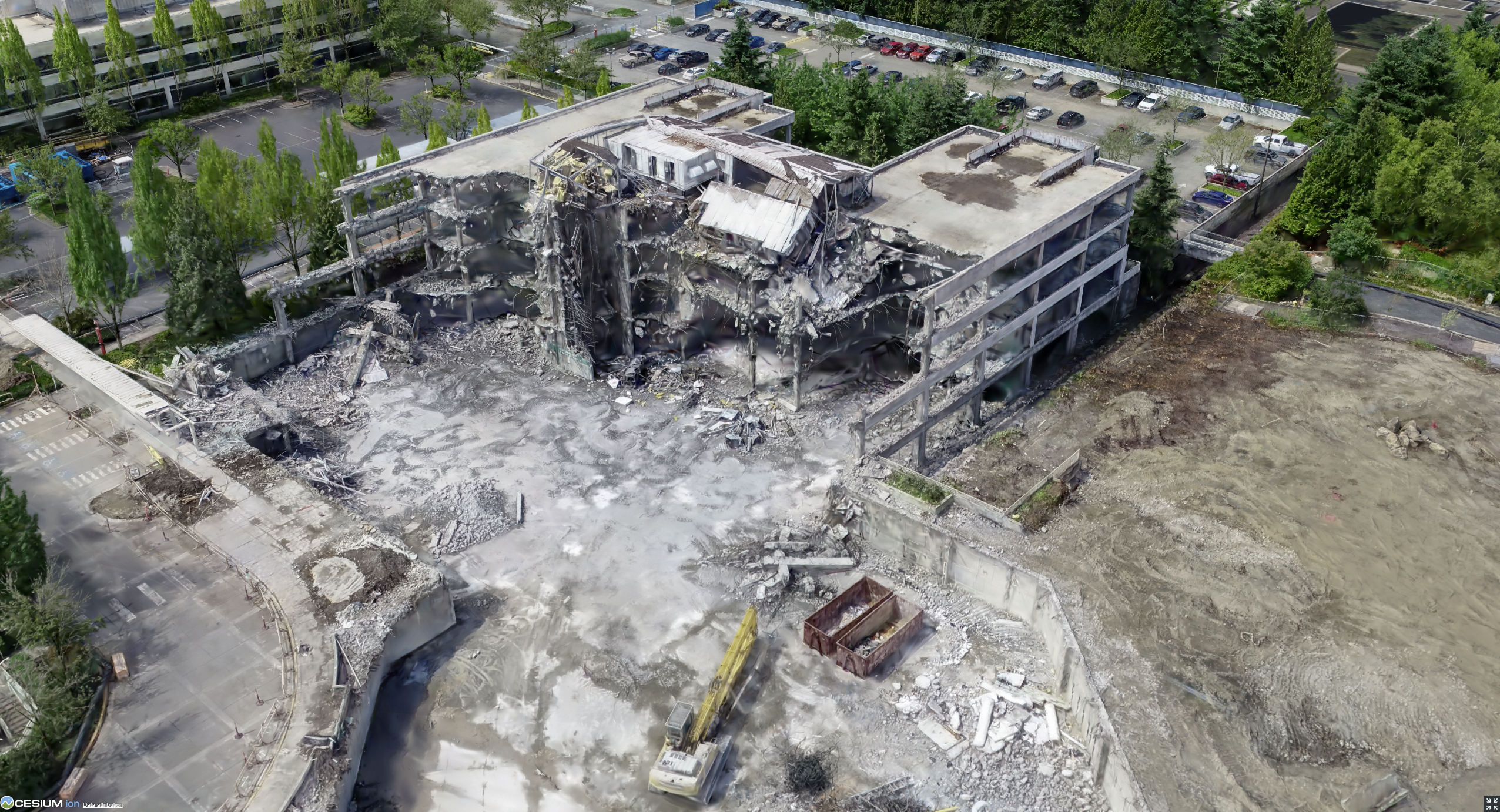
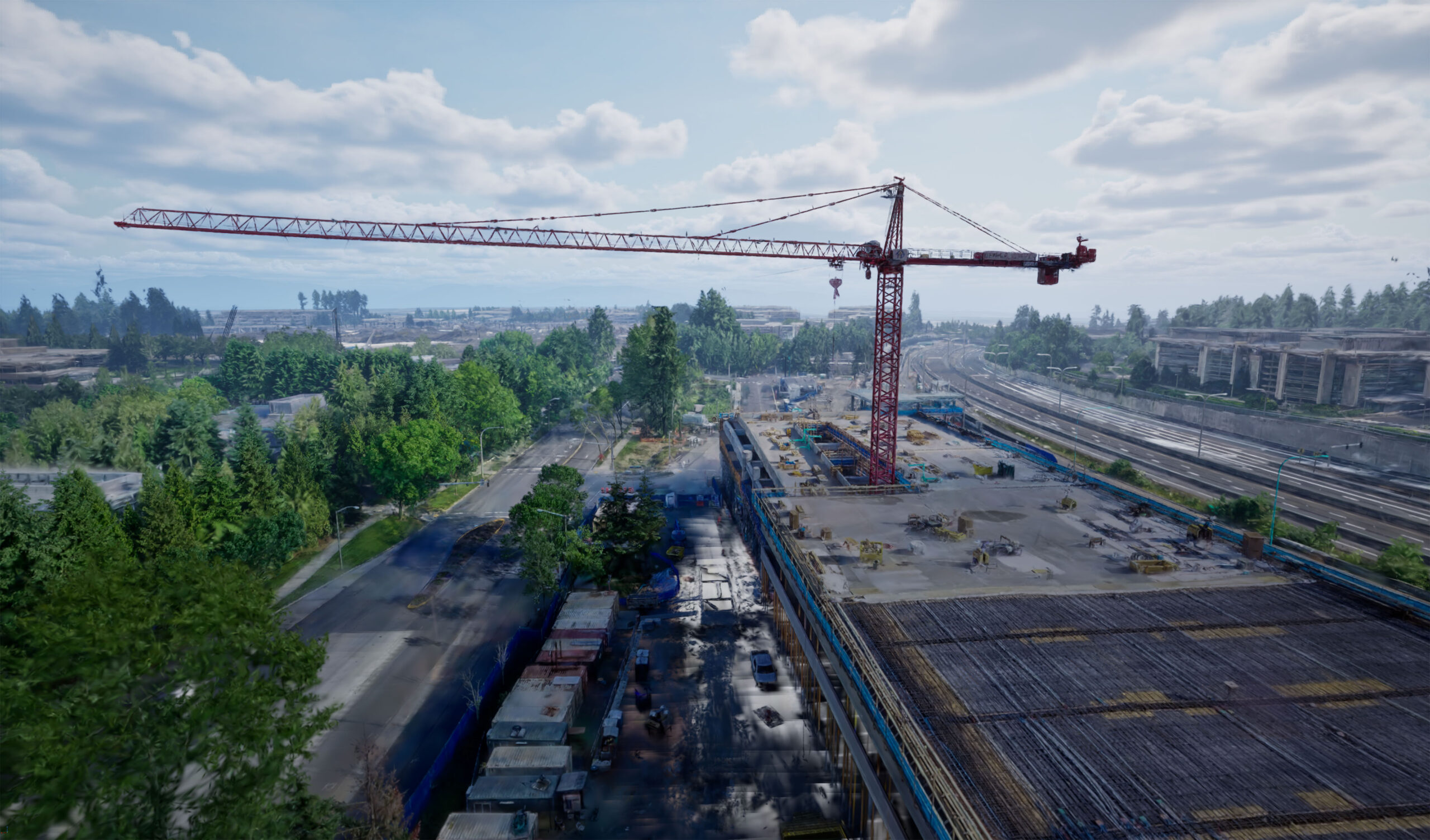
The hero demo is a 110-million-splat reconstruction of Microsoft’s Redmond Campus: 20,169 photos, 427.7 gigapixels of source imagery, ~3.7 km² of coverage at 3 cm ground sampling distance, captured by Bentley Systems with a DJI rig. It runs in a browser. Smoothly. With LOD popping you can’t see.
Why You Should Care
Standards on paper are nice; a default delivery pipeline that ships them at planetary scale is what changes workflows. The KHR_gaussian_splatting glTF extension and OpenUSD ratification both landed earlier this spring; what was missing was a hosted ingest-and-serve platform the AEC and GIS industries already trust. That just shipped.
- For 3D artists / VFX: Gaussian splats stop being a “neat capture format” and start being something a client can actually open. The Unreal pipeline is the one to watch — drop a tileset into a scene next to your Megascans rocks.
- For architects / AEC: Bentley already used this on Microsoft’s campus. Site captures, construction-progress documentation, infrastructure inspections — all of it gets a hi-fi photoreal layer that a Revit model can’t fake.
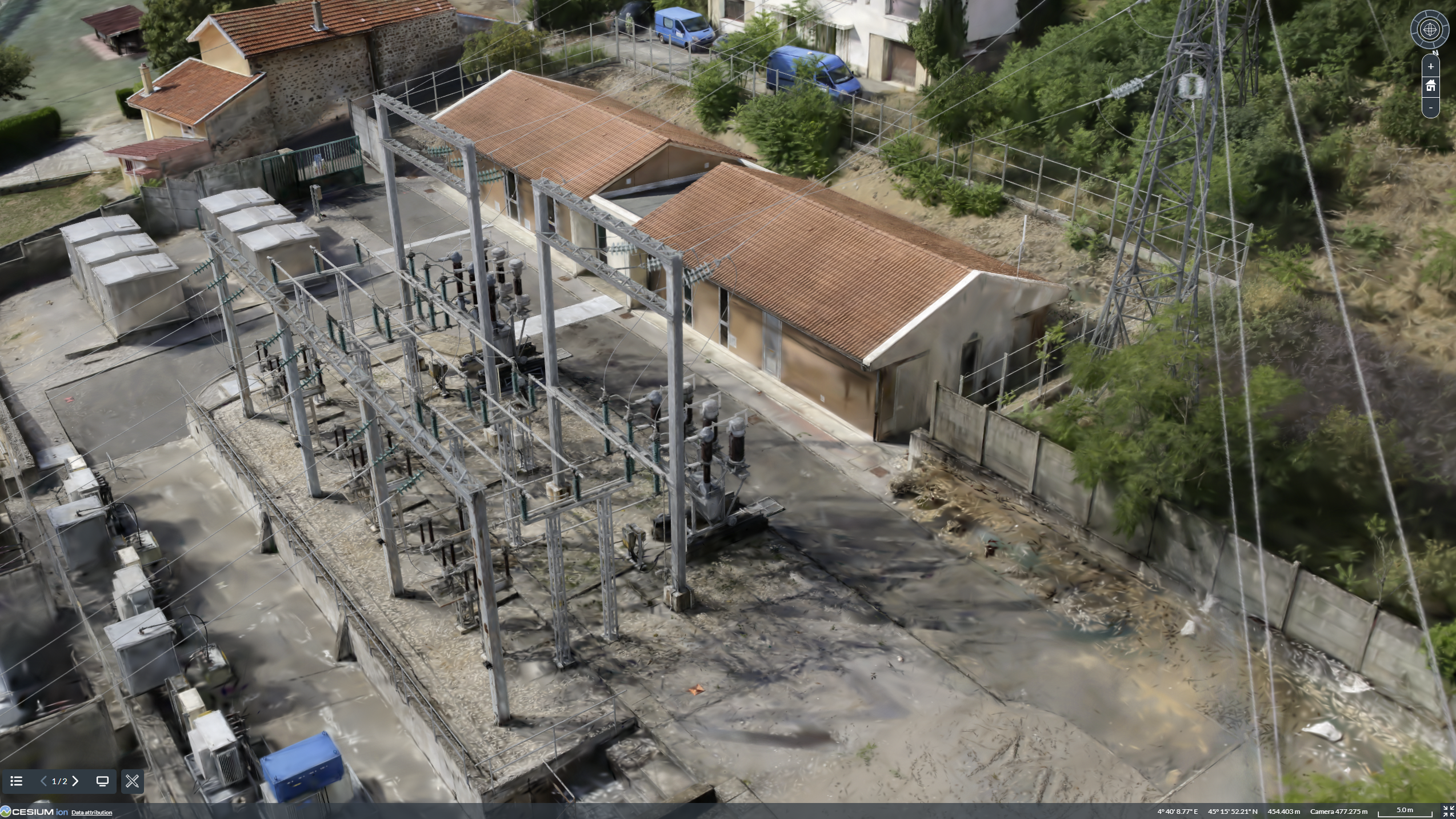
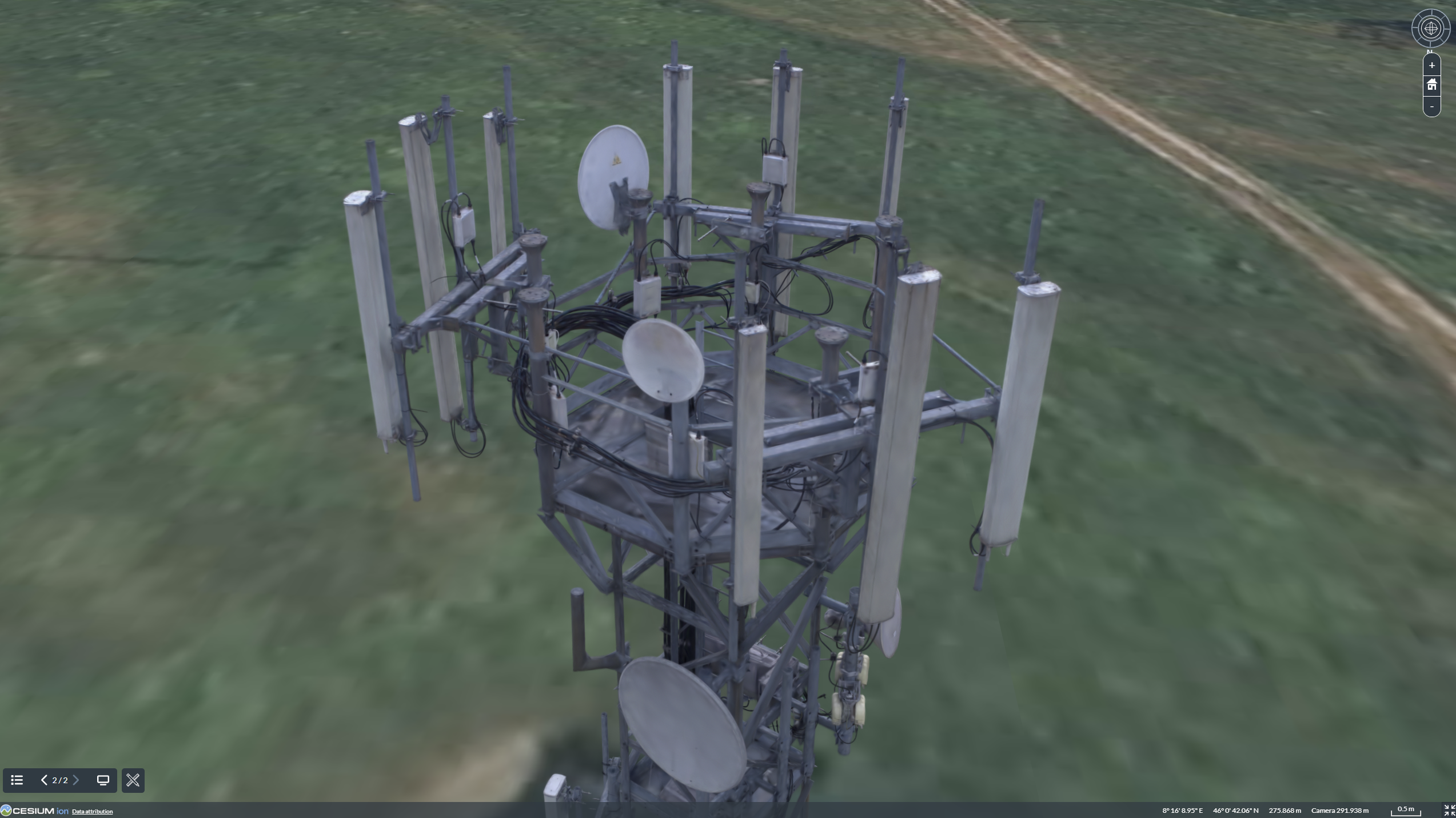
- For digital twin / GIS people: Splats now compose with terrain and photogrammetry tilesets. Power lines, cell towers, substations — the use cases in Cesium’s post are not artistic, they’re operational.
- For game devs / world builders: A streaming splat backbone that doesn’t melt your GPU finally exists in a generic engine plugin. Couple it with World Labs Spark 2.0 (released earlier in April) and the “playable Earth” stack starts looking real.
Try It
- Sign up free at ion.cesium.com. The community tier covers personal projects.
- Upload a photo set (DJI flight, phone walk-around, indoor capture). Cesium ion runs reconstruction and exports a 3D Tiles 2.0 splat tileset.
- Embed it: drop the tileset URL into a CesiumJS sandcastle, or load it via Cesium for Unreal. The
KHR_gaussian_splattingpath means you can also open the underlying glTF in any compatible viewer. - Read the deep dive: the official Cesium blog post walks through every standard touched (Khronos, OGC, SPZ).
IK3D Lab Take
Two years ago, Gaussian Splatting was a SIGGRAPH demo. One year ago, it was a Luma app. Today, Cesium just made it part of the same plumbing that ships every Google 3D map tile and every BIM viewer in the AEC industry. Quote from Khronos president Neil Trevett that quietly says everything: ratification “elevates Niantic’s SPZ compression from an open-source project into a royalty-free open standard.” That’s how a format becomes infrastructure — boring, ubiquitous, unavoidable.
The exciting part isn’t the Microsoft campus demo. It’s that the next time a city, a stadium, or a factory gets droned, the resulting splat is going to land in a tileset URL — not a 40 GB PLY in someone’s Dropbox. That’s the moment splats actually scale. Welcome to 2026.