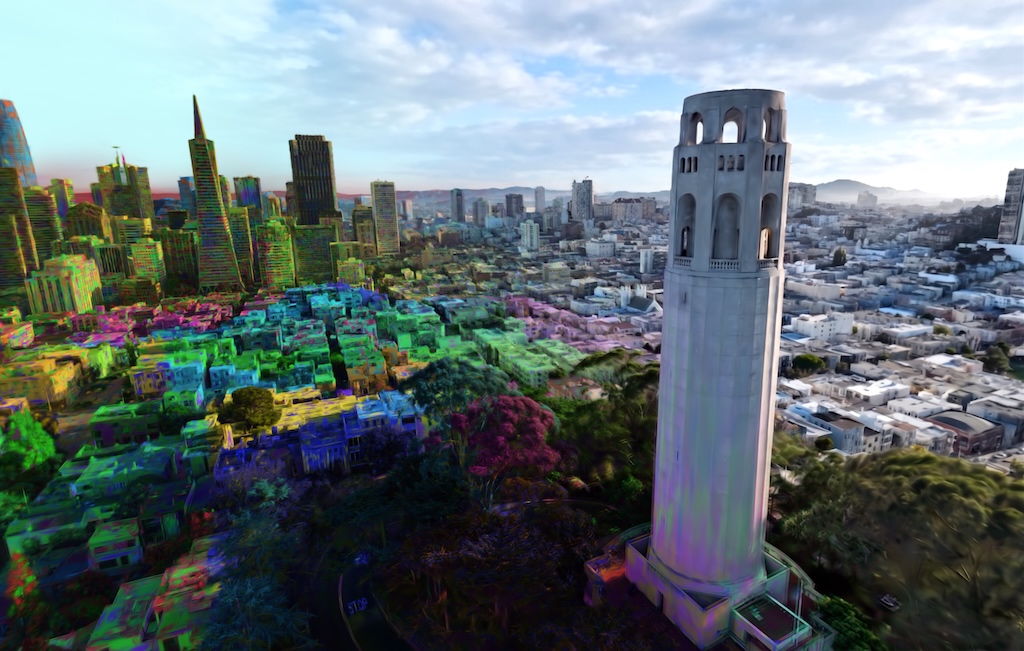
For two years we’ve covered every world model that dared to challenge it — Genie, Lyra, HunyuanWorld, SpAItial, Holo-World. We never covered the one they were all chasing. This month Marble, the flagship from Fei-Fei Li’s World Labs, quietly went generally available. Anyone can now type a sentence and walk out with an explorable 3D world. So let’s finally talk about it.
The Story
World Labs is the company Fei-Fei Li — the researcher who built ImageNet and arguably lit the fuse on the modern deep-learning era — founded around a single bet: that the next leap in AI isn’t language, it’s spatial intelligence. The product of that bet is Marble, a multimodal world model that debuted in November 2025 and, as of June 2026, is open to everyone with a browser.
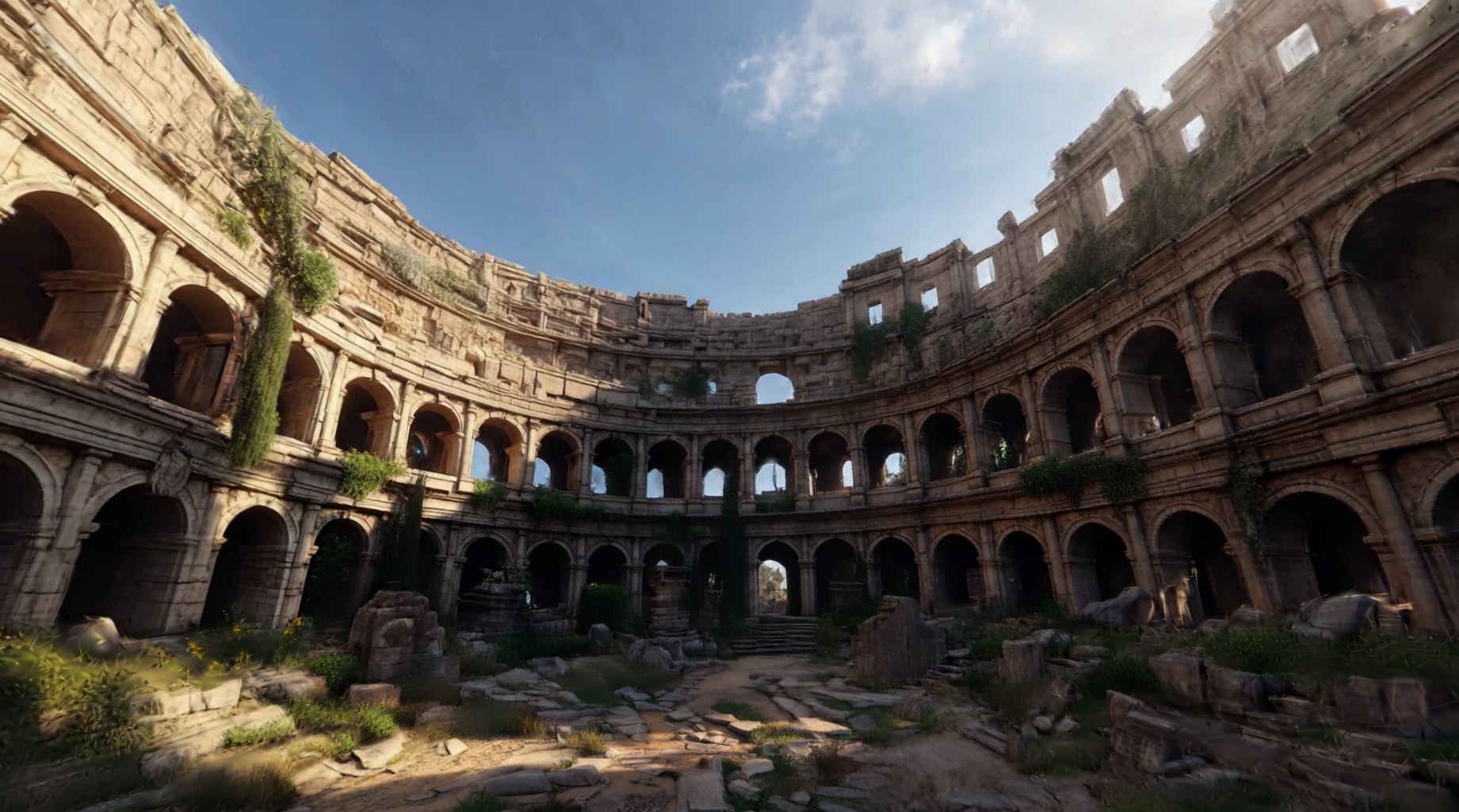
What makes Marble different from a text-to-3D asset generator is the word world. You don’t get a single object floating in a void — you get a coherent, navigable environment with persistent geometry. Feed it a single text prompt, one photo, a handful of images, a video clip, or even a coarse 3D blockout, and it lifts that input into a full scene you can fly a camera through and look behind the things in the original frame.
The sleeper feature is Chisel, which decouples structure from style. You rough out the layout of a room or a landscape in coarse 3D geometry, then let a text prompt dress it — “Victorian foyer,” “overgrown courtyard,” “glowing mushroom forest.” The blockout owns the composition; the prompt owns the vibe. For anyone who has fought an image model for control, that separation is the whole game.

Marble 1.1 is now the default model, with Marble 1.1 Plus adding dynamic spatial expansion — it automatically grows its coverage of 3D space to produce larger worlds when the scene allows. And crucially, you can edit what it makes: refine a region, expand the boundaries, or stitch several generated worlds together into one continuous space. Getting persistent 3D geometry to stay consistent at that scale is, in the team’s own words, “a really, really hard problem.”
Why You Should Care
Here is the part that matters for everyone reading the Lab: Marble is not a walled garden. A finished world exports as Gaussian splats (the high-fidelity option, rendered through World Labs’ open-source Spark renderer), as triangle meshes — both lightweight collider and high-quality variants — or as video with precise camera control.
Read that export list again. Splats drop into the splat tooling we’ve spent months covering — Postshot, the native Blender add-ons, ComfyUI’s splat data type. Meshes drop into Blender, Unity, Unreal, your renderer of choice. Marble isn’t trying to replace your DCC; it’s trying to be the fastest way to fill it. Concept a level, block a film set, prototype an archviz space, build a backdrop for a virtual production wall — the thing that used to take a kitbash weekend now takes a sentence and a cleanup pass.
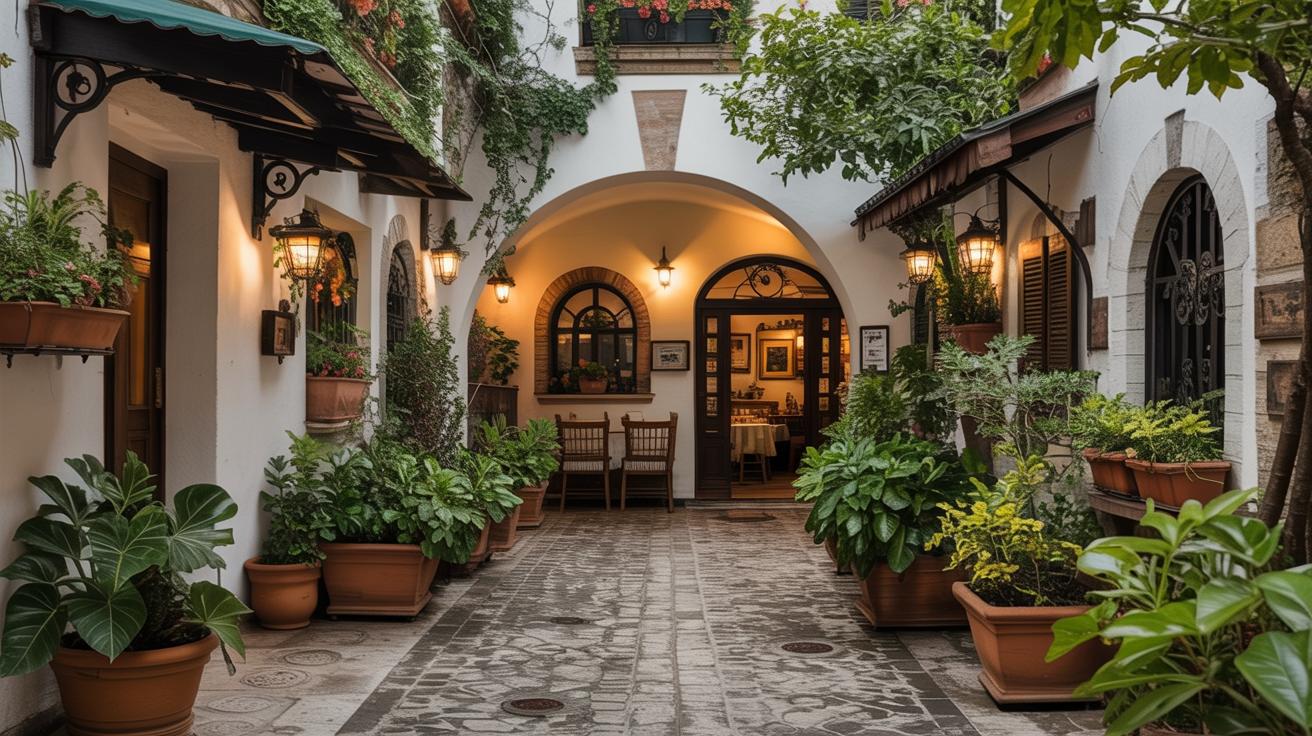
Be honest about the limits, too. World models still struggle with hard edges, true scale, and the kind of clean topology a character rigger needs. The geometry is generative, not surveyed — great for environments and atmosphere, not yet for your hero prop’s bevels. But for the 80% of a scene that is set dressing and backdrop, this is already a production shortcut, not a tech demo.
Try It / Follow Them
Marble is live at marble.worldlabs.ai — sign up and the free tier is enough to feel the magic. Pricing runs on credits: Marble 1.1 is a fixed 1,500 credits per world, while 1.1 Plus is 1,500 plus 300 per additional dynamic cube it generates, so larger worlds cost more.
Then go straight to Marble Labs, the company’s new creative hub where artists, engineers and designers share real workflows across gaming, VFX, design and robotics — the best free crash course in what these worlds are actually good for. Technical readers should keep the release notes bookmarked, because this thing ships fast.
IK3D Lab Take
We’ve treated world generation as a sport with a dozen competitors, and that was the right call — the open-source challengers are extraordinary and they push the whole field forward. But there’s a reason every one of those releases got compared back to Marble. It’s the most polished, the most controllable, and now the most accessible expression of the idea that you should be able to speak a place into existence and then walk into it.
The general-availability moment is the real headline. A research preview is a promise; an open door is a tool. Marble just became a tool. If you build environments — for games, film, archviz, or just to see what your imagination looks like at 1:1 scale — this is the afternoon to lose to it. The world model era didn’t start this month. But this is the month it started letting you in.