For two years, every 3D artist who touched a Gaussian splat heard the same caveat: it looks incredible, but it’s not a mesh. No clean topology, no edges, nothing a game engine or Blender can chew on without a messy conversion step. A team out of the University of Liège has spent that same two years quietly dismantling that limitation — and their newest paper, MeshSplatting, just landed at CVPR 2026. The radiance-field world is pivoting from fuzzy point clouds to actual triangles, and this is the moment it stops being a research curiosity.
The Story
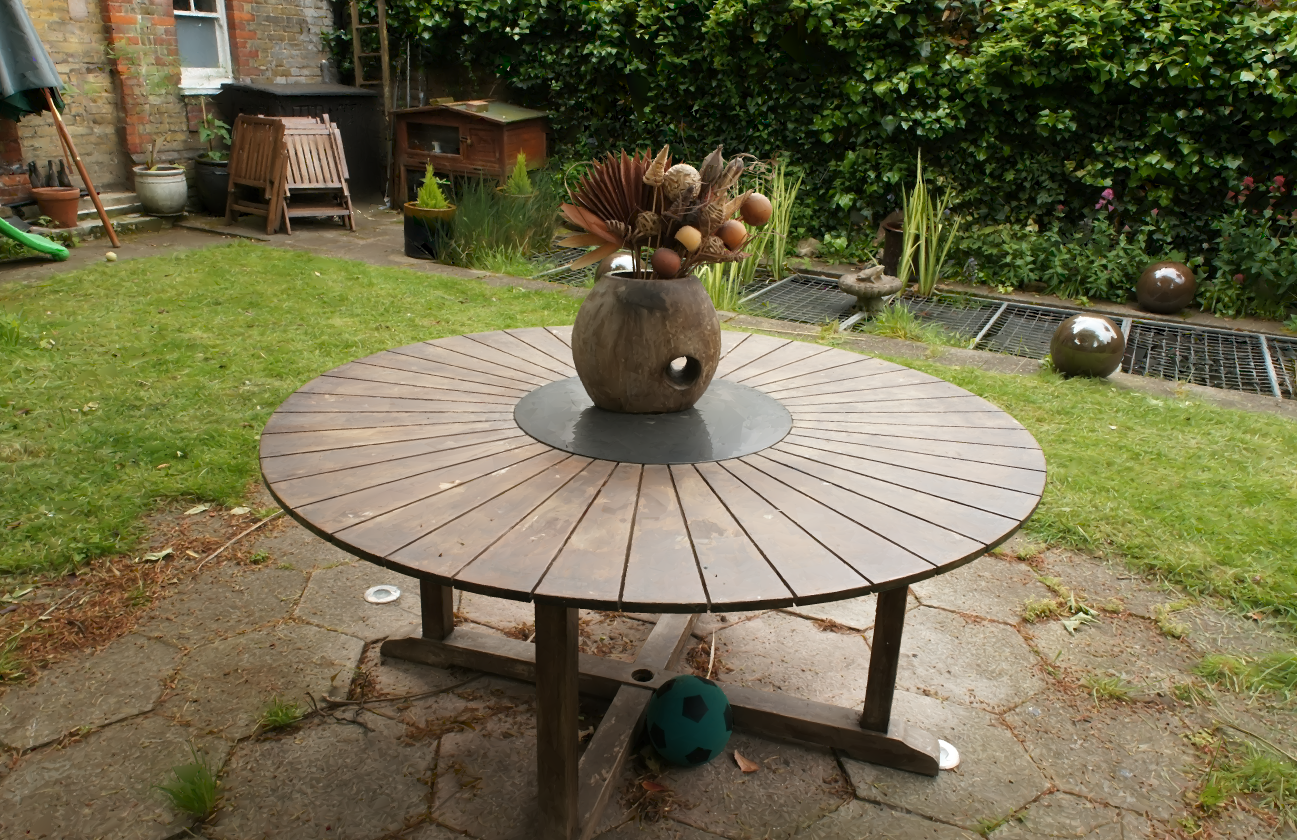
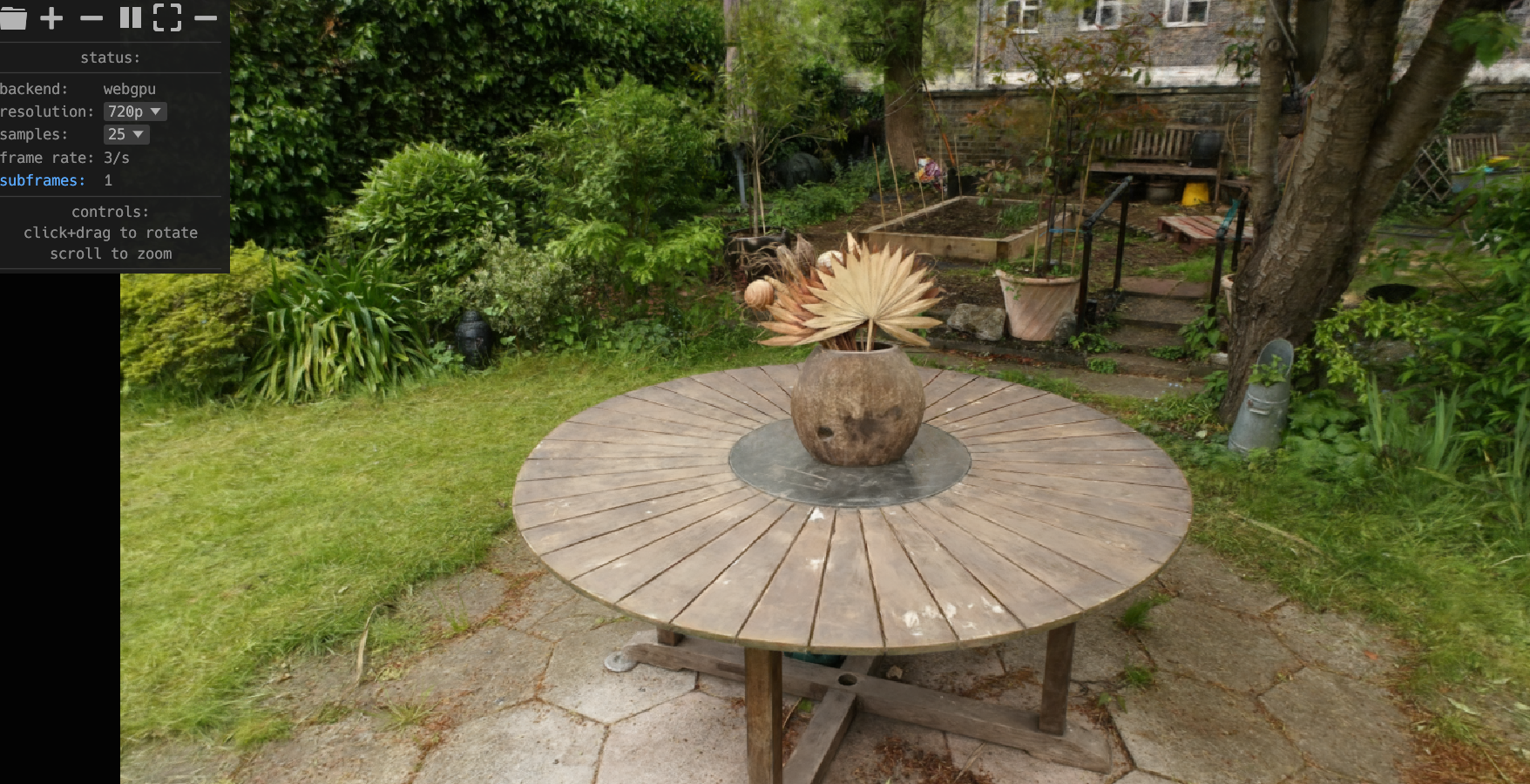
It started in May 2025 with a deceptively simple question from researcher Jan Held and his collaborators: if the goal is real-time photorealistic rendering, why optimize blobs at all? The whole GPU pipeline — every game engine, every DCC tool, Blender included — is built around one primitive: the triangle. So they built Triangle Splatting, the first method to directly optimize 3D triangles for novel-view synthesis instead of Gaussians. On the Mip-NeRF360 garden scene it hit over 2,400 FPS at 720p on a single RTX 4090, using nothing but an off-the-shelf mesh renderer.
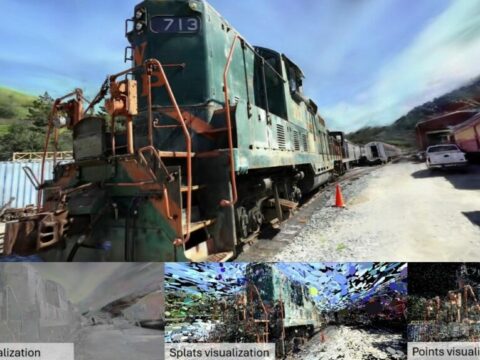
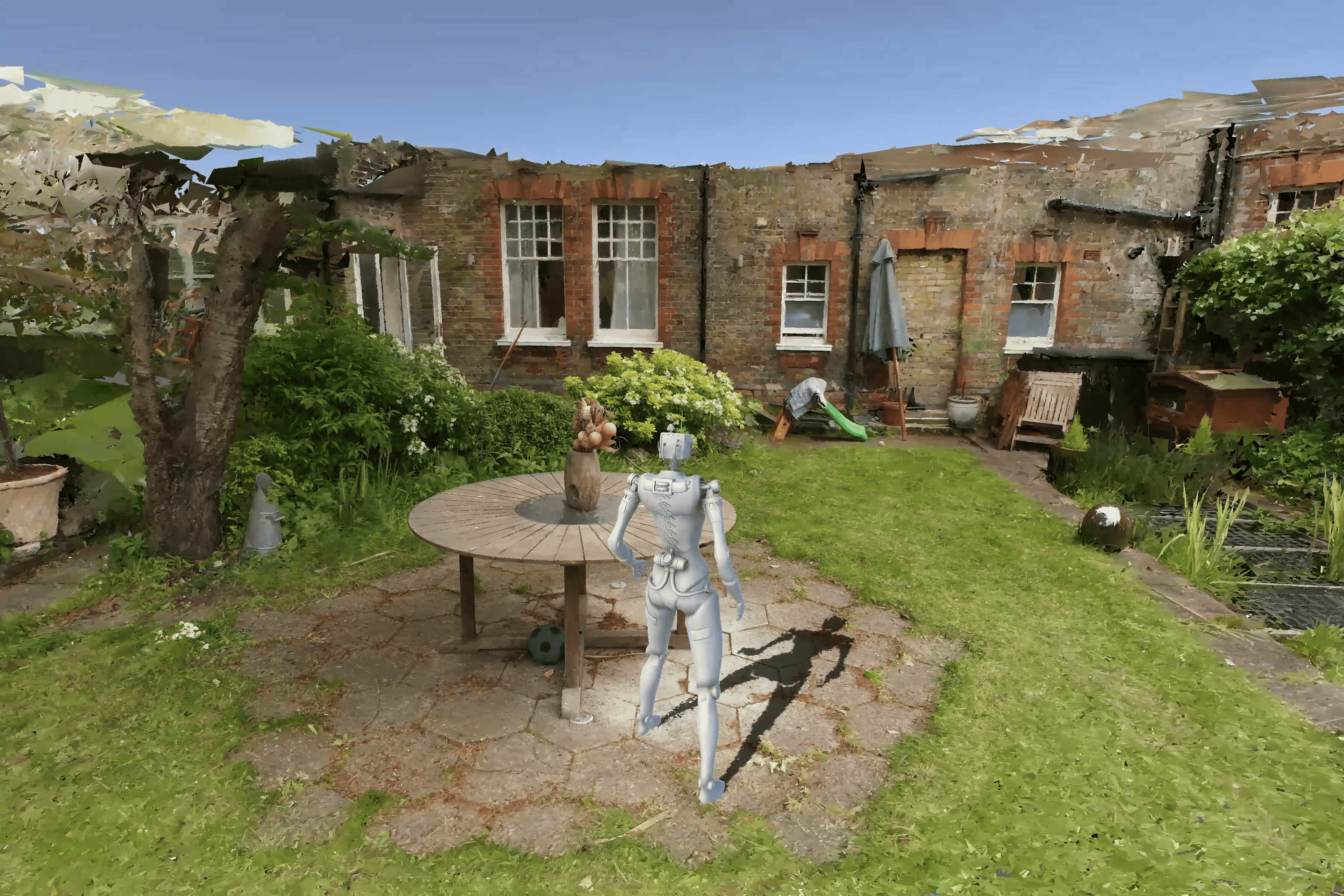
Then came Triangle Splatting+ in September 2025, which swapped the semi-transparent triangles for fully opaque ones and produced semi-connected meshes you could drop straight into Unity — complete with physics. They shipped a playable demo to prove it. And now MeshSplatting (CVPR 2026) closes the loop: it takes that loose “triangle soup,” runs a restricted Delaunay triangulation to stitch the triangles into a single connected, watertight-ish surface, then fine-tunes for smooth geometry. The output isn’t a mesh-like approximation. It is a mesh.
The numbers back up the ambition. MeshSplatting beats the previous state-of-the-art mesh-reconstruction method, MiLo, by +0.69 dB PSNR on Mip-NeRF360 — while training 2× faster and using 2× less memory. In a field where teams fight for tenths of a decibel, edging the quality up and halving the cost is the kind of result that makes people switch pipelines.
Why You Should Care
If you’ve followed the Lab, you know we’ve covered Gaussian splatting from just about every angle — native Blender add-ons, Photoshop, Apple Maps, billion-splat web viewers. Splats are gorgeous for capture and visualization. But the dirty secret has always been the handoff: the second you want to build with a capture — collide with it, relight it properly, retopologize it, animate something on top of it — you hit a wall, because a point cloud of oriented ellipsoids isn’t geometry your tools understand.
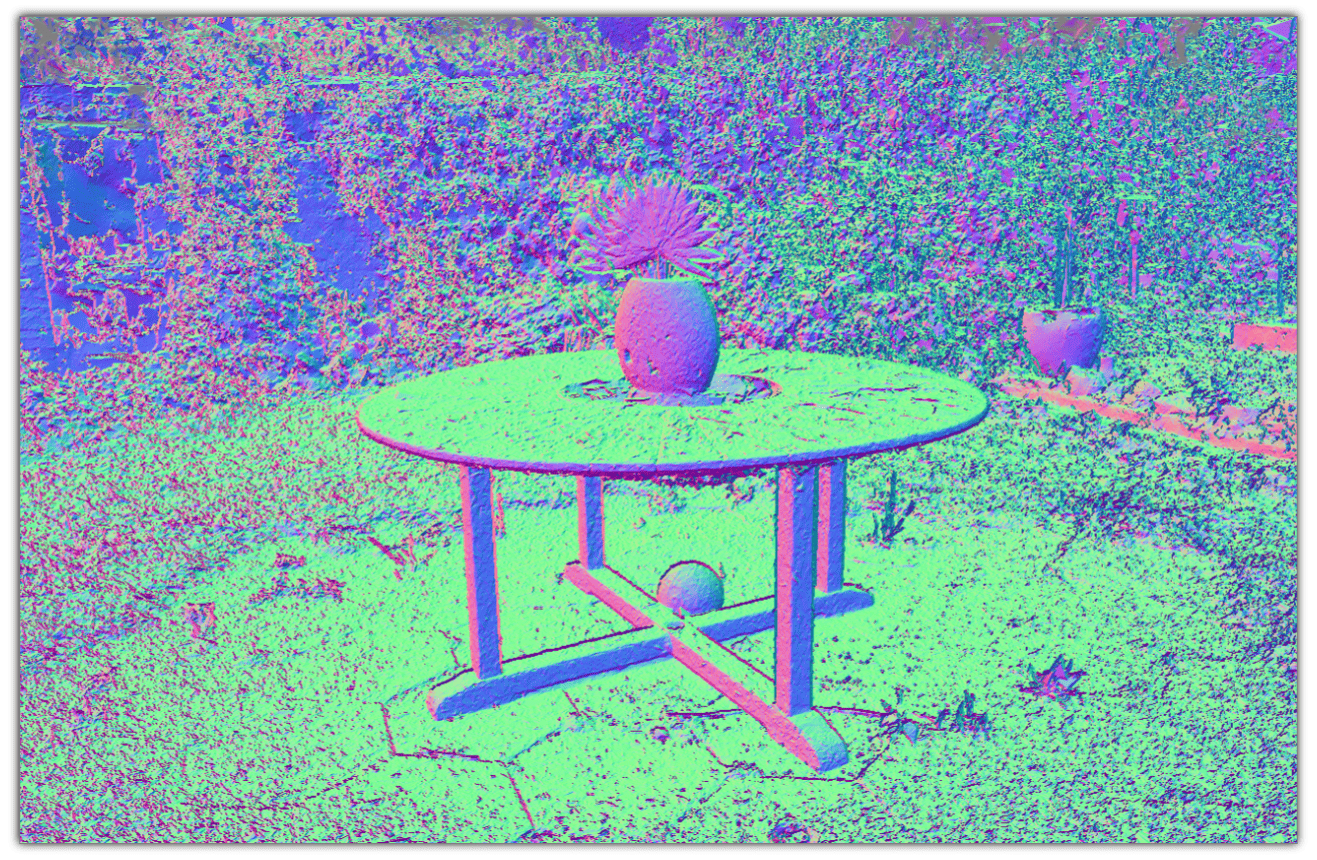
The triangle lineage erases that wall. Because the optimization target is the triangle, there’s no lossy conversion, no marching-cubes guesswork, no “export and pray.” You get surface normals, connected faces, and a PLY that loads in any mesh renderer on Earth. That means real-time collision, ray-traced shadows, baked lighting, UVs — the entire mature graphics stack we already have.
For game devs, this is asset-ready capture. For architects and viz artists, it’s a scan you can actually walk through with real physics. And for Blender users specifically: this is the bridge the splat ecosystem never quite delivered. A connected mesh from a casual photo set, dropped into the viewport, behaving like geometry — not a special render path that fights with everything else in your scene.
Try It / Follow Them
- MeshSplatting — project page, paper and code: meshsplatting.github.io · arXiv 2512.06818 · GitHub
- Triangle Splatting+ (the opaque, game-ready predecessor, with a downloadable Unity demo): project page
- Triangle Splatting (where it all started): project page · arXiv 2505.19175
Fair warning for tinkerers: the code targets Linux with an NVIDIA GPU, and reconstruction is still a per-scene optimization, not an instant capture. This is a research drop, not a one-click app — yet.
IK3D Lab Take
We love a good Gaussian splat — but we’ve always been honest that the “it’s not a mesh” problem was the ceiling on what splats could become in a real production pipeline. The Liège team didn’t patch around that ceiling; they removed it by changing the primitive. MeshSplatting feels less like an incremental paper and more like a quiet fork in the road: one branch keeps refining splats for capture and streaming, the other says render the thing your tools already speak.
Our bet? The next wave of “photo-to-3D” tools that actually matter to makers won’t hand you a splat file you have to convert — they’ll hand you a mesh, optimized end-to-end, ready for Blender on arrival. Triangle splatting is how we get there, and CVPR 2026 just made it impossible to ignore.