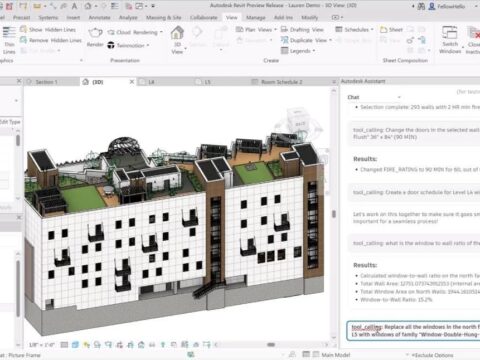
Autodesk just dropped the biggest AI bet in its 40-year history. Forma Building Design launched April 7, 2026 as a tech preview — but the real story is hiding underneath: a brand-new foundation model called Neural CAD for buildings, trained natively on 3D design data, and aimed at automating 80–90% of what architects currently do by hand.
The Story
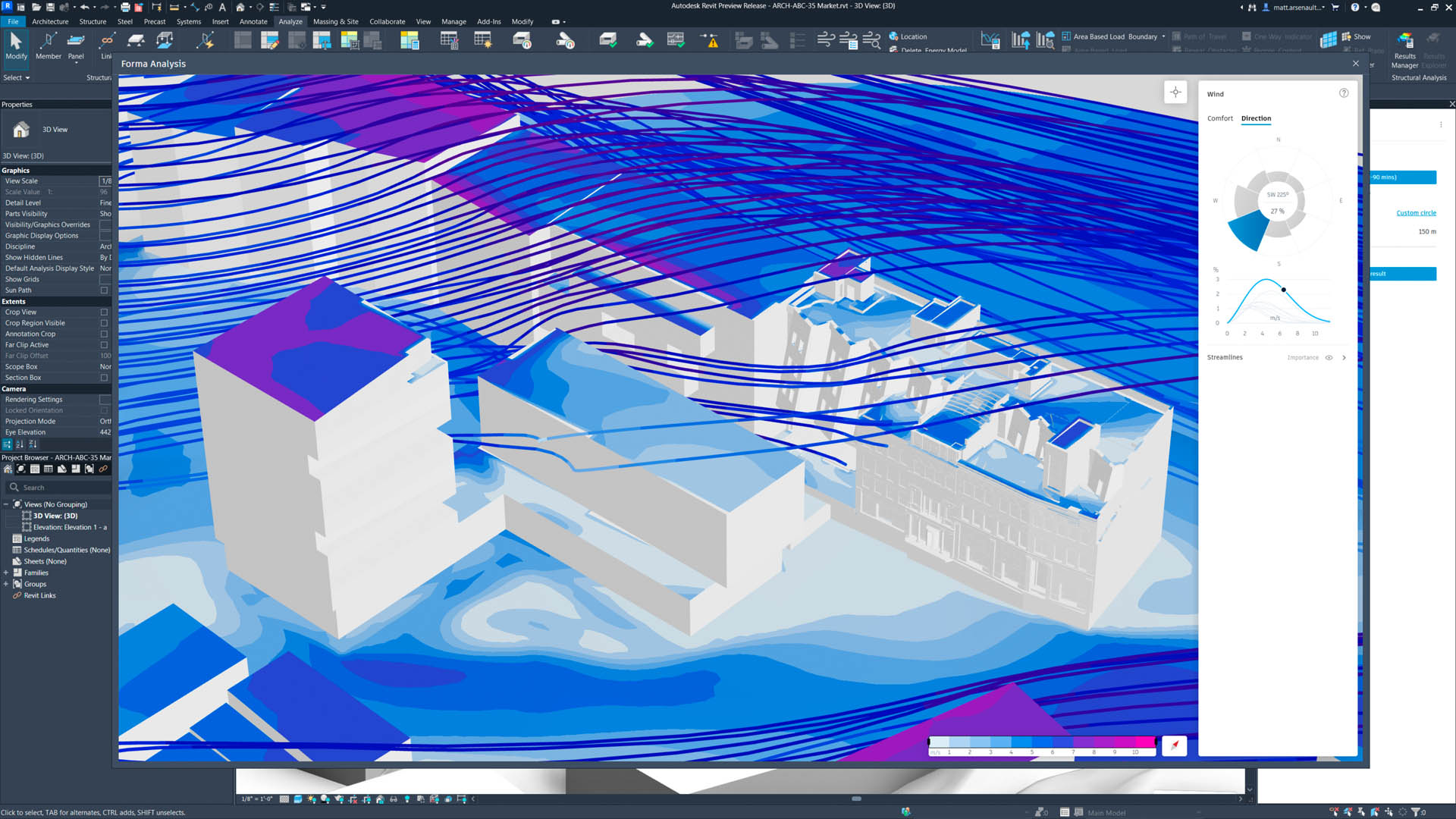
Spacemaker.ai was acquired by Autodesk in 2020 for $240M. For five years, it sat inside the Forma cloud, doing the unsexy but vital work of pre-design site analysis — sun, wind, noise, daylight. Useful, but a feature, not a revolution.
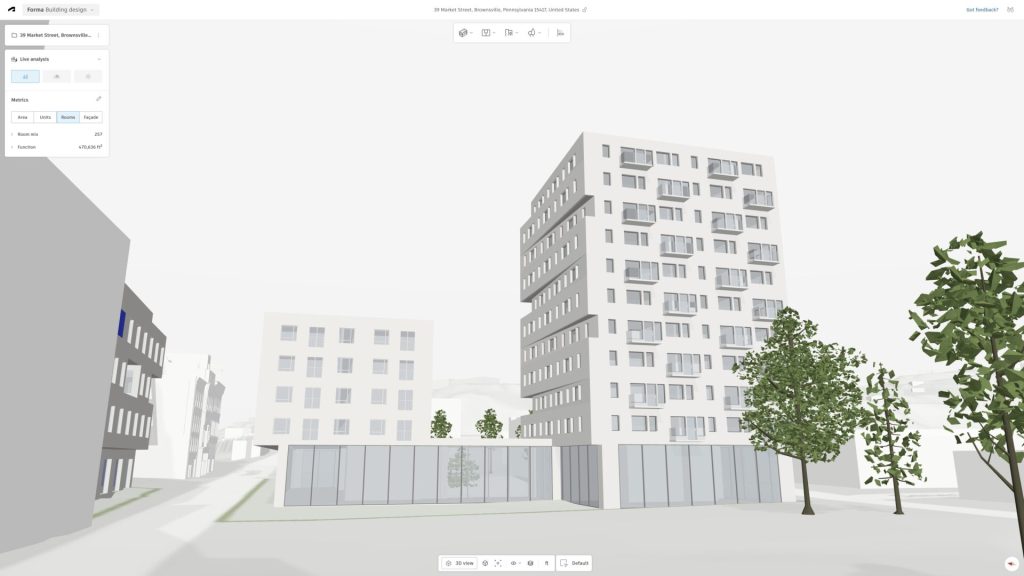
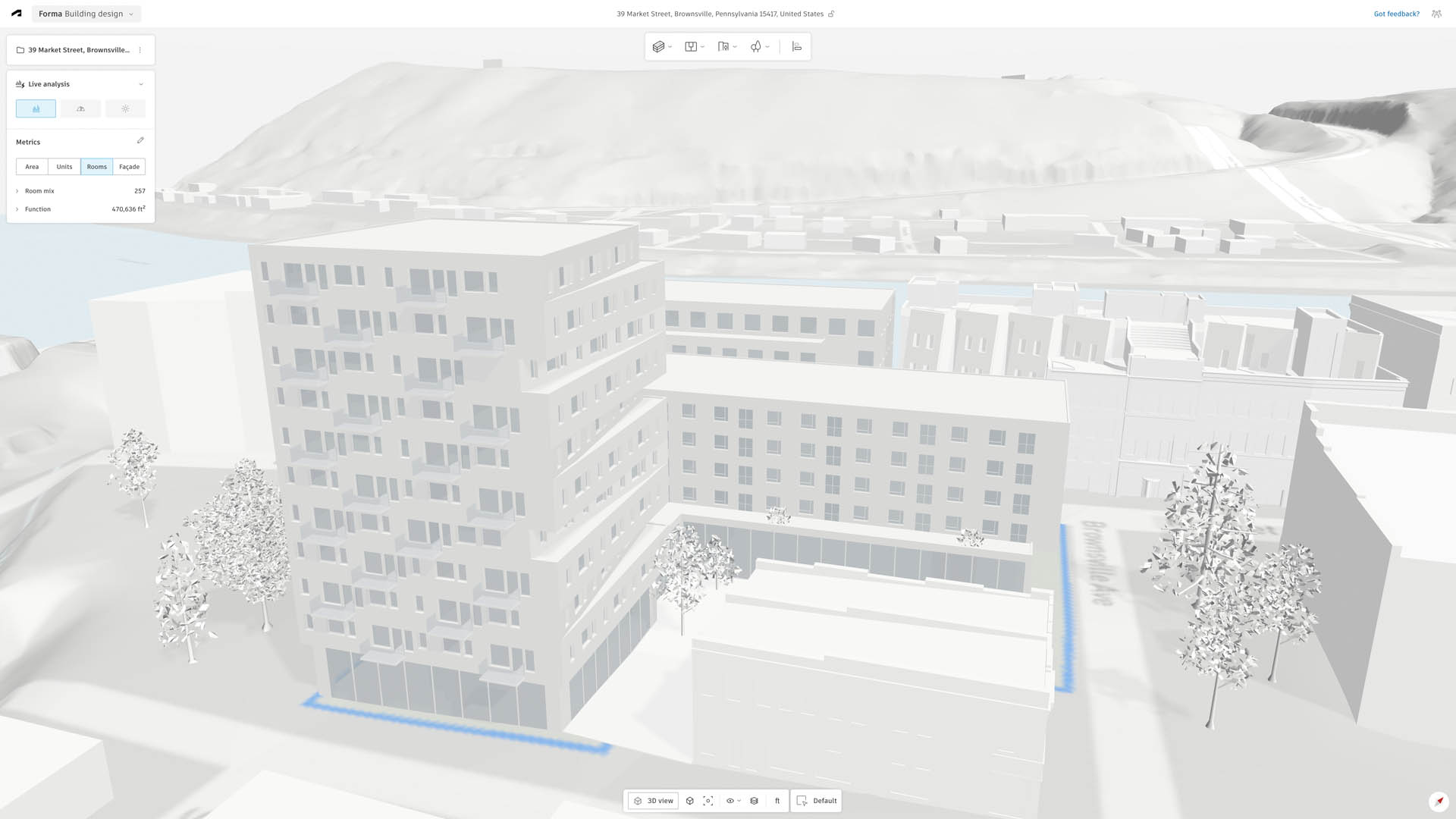
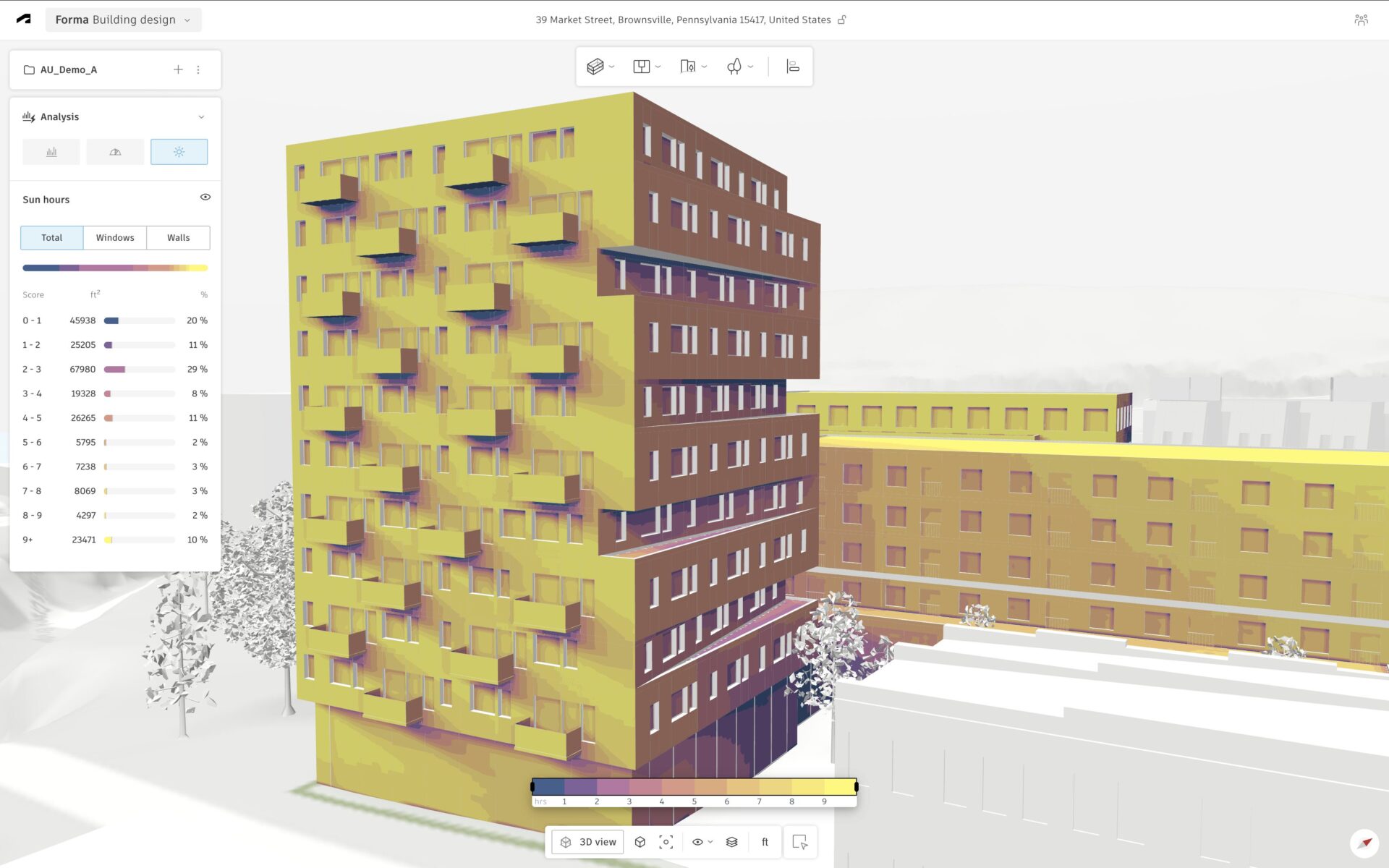
That changed last week. Autodesk turned Forma into a full schematic design environment — facades, floor plans, unit mixes, carbon analysis, all the way to LoD 200/300 — and bolted on something genuinely new: an AI foundation model trained specifically on 3D design data rather than on images. They call it Neural CAD. Andrew Anagnost, Autodesk’s CEO, openly claims it will eventually automate 80 to 90% of what designers typically do.
That’s not a marketing line you walk back later. That’s a thrown gauntlet.
What’s actually in the box
Three things shipped or are shipping:
- Forma Building Design — schematic design with automated facade generation, interior layout exploration, carbon & daylight analysis. Available now for every Revit and AEC Collection subscriber. No extra cost.
- Building Layout Explorer (closed beta) — the first generative AI tool built on Neural CAD. Type your program (units, mix, daylight target), get dozens of plan options regenerated automatically when you tweak constraints. Side-by-side comparison built in.
- Autodesk Assistant in Revit — contextual AI agent inside Revit. Reads your model, executes tasks, orchestrates actions across the Autodesk stack. This is the agentic shoe finally dropping for BIM.
The killer detail: Revit is now the first “Forma Connected Client”. That means Forma and Revit share a live data layer. No more file conversions, no more import/export dance, no more losing your massing intent when you move into BIM. Forma’s data flows into Revit as native, geolocated geometry.
Why You Should Care
Veras, ArchiVinci, Rendair, Maket, and the dozen other AI tools we’ve covered all live around the design pipeline — they generate renders, they suggest layouts, they decorate. Neural CAD is the first time a foundation model has been trained on the actual 3D BIM data that defines the building, and it sits inside the dominant AEC vendor’s stack.
Translation: this is not a plugin. It’s not an Enscape-style add-on. It’s a foundational rewrite of how schematic design works inside the tool 80% of architects already pay for. The competitive moat is the training data — Autodesk has 40 years of Revit models, Spacemaker site simulations, AutoCAD floor plans, and Tandem digital twins. Nobody else has that corpus.
Sandra Petkute Roberts at Arcadis said the quiet part out loud: “Forma Building Design is making it easier for us to explore more facade and layout ideas without heavy manual effort.” A multinational engineering firm just admitted in the press release that Autodesk is taking work off their plate. That’s the unlock.
Try It / Follow Them
- Get Forma Building Design — included with any active Revit or AEC Collection subscription. Sign in at autodesk.com/products/forma.
- Building Layout Explorer beta — closed beta signup live on the Forma product page.
- Autodesk Assistant in Revit — turn it on inside Revit 2026.
- Read the deep dive — AEC Magazine’s analysis and the Autodesk press release.
IK3D Lab Take
Two months ago we covered Veras 4.0 moving AI into BIM. That now looks like the warmup. Veras renders your design. Neural CAD generates it. The line crossed here is whether the AI lives at the visualization layer or at the geometry layer — and Autodesk just planted a flag at the geometry layer with the largest training corpus in the industry.
The 80–90% automation claim is aggressive and probably wrong in the short term. Schematic design is already the fastest, cheapest part of an architect’s day — DD and CD are where the hours bleed. But if Neural CAD scales from massing to construction documentation? That’s the moment small studios stop hiring junior architects and start hiring AI prompt-handlers. Junior architects: now is the time to learn this stack from the inside, not pretend it isn’t coming.
For everyone else in the IK3D crowd — game devs, 3D artists, comic creators — watch the playbook. A foundation model trained on domain-specific 3D data, shipped into the dominant DCC, with an agentic assistant on top. Substitute “Maya” for “Revit” and you can see the next four announcements coming.
Neural CAD just turned BIM into a generative medium. The ten-year war for the schematic phase is over before it started.