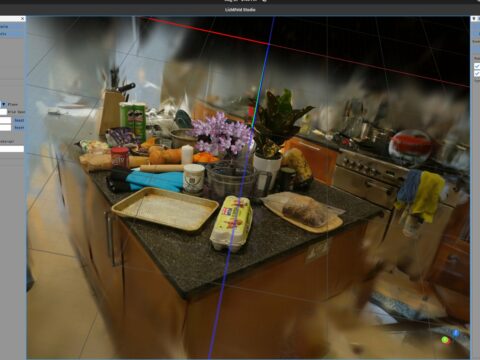
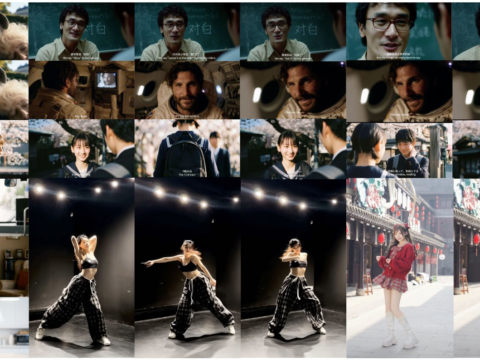
Character consistency in AI-generated comics just went from “pray and regenerate” to “actually reliable.” Thanks to identity embeddings, FLUX PuLID, and a new wave of dedicated comic platforms, creating a full comic book with the same characters across dozens of panels is no longer a pipe dream — it’s a Tuesday afternoon project.

The Story
The Breakthrough: Identity Embeddings
For years, the killer flaw of AI image generation for sequential art was obvious: you couldn’t keep a character looking the same from one panel to the next. Same prompt, same LoRA, same seed — and your hero still showed up with a different jawline on page two. That era is over.
The key technology shift came from identity embeddings — mathematical fingerprints extracted from 1-3 reference images that capture facial structure, body proportions, distinctive features, and costume details. These embeddings get loaded with every subsequent generation, essentially telling the model “this is who this character IS” rather than hoping a text prompt will produce the same face twice.
The most notable implementation is FLUX PuLID (Pure and Lightning ID Customization), which combines PuLID’s identity-preservation capabilities with FLUX’s powerful text-to-image backbone. The result: you feed it a reference face, describe a new scene, and it generates the same person in completely different poses, angles, lighting conditions, and environments. It works in ComfyUI workflows, meaning it slots right into the toolchain most AI artists already use.

The Platforms Making It Accessible
While ComfyUI + FLUX PuLID gives you maximum control, not everyone wants to wire nodes. Two platforms are racing to make AI comics accessible to everyone — and both are impressively capable.
LlamaGen AI (llamagen.ai) is the open-source-rooted option. Their February 2026 v1.0.5 update brought a significantly improved character consistency engine, individual scene art design configuration, and multiple sharing formats (Player, Frame, Grid views). It handles Western comics, manga, and webtoon formats, and their proprietary LoRA training keeps characters visually locked across hundreds of panels. The real-time comic stream output means you’re watching entire sequences generate panel-by-panel. Free tier available, with Pro plans at $19.99/month for unlimited generations.
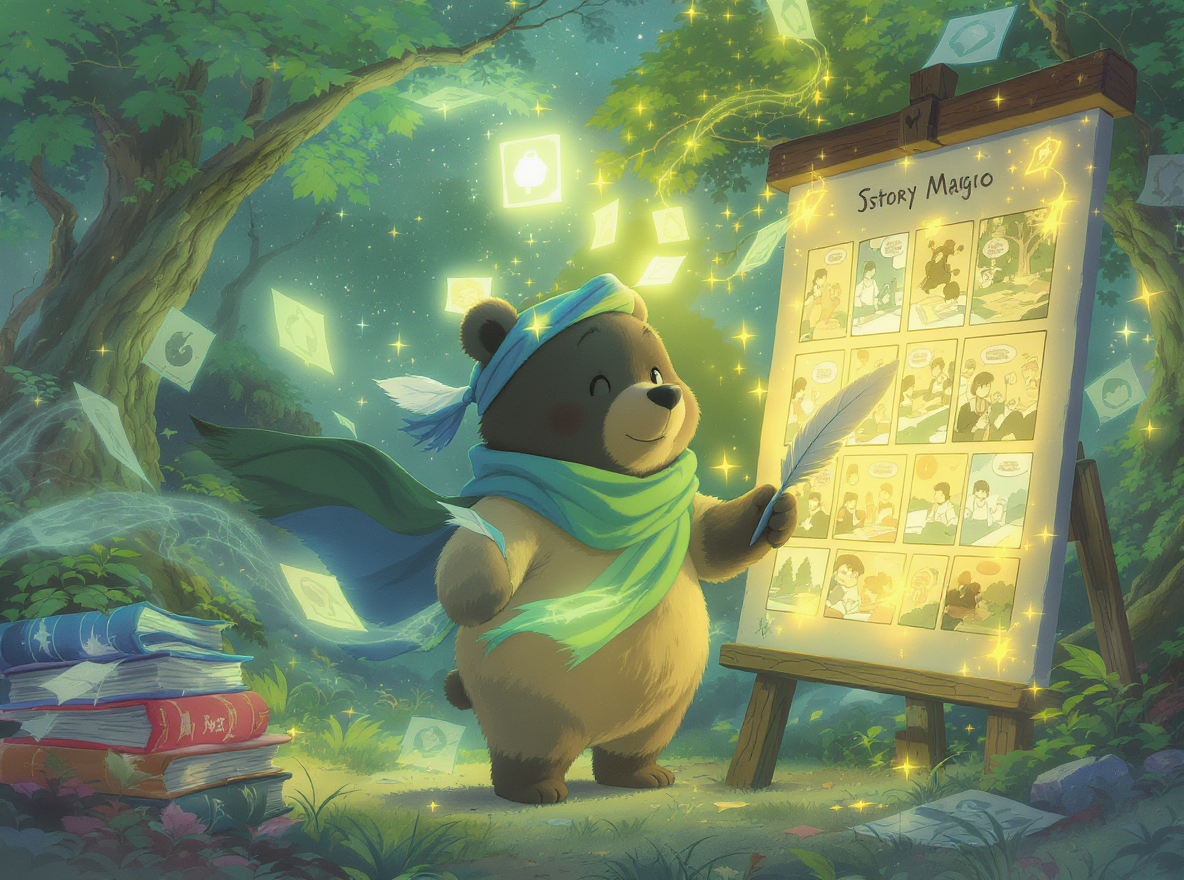
Jenova AI (jenova.ai) takes a multi-model approach, leveraging GPT-5.2, Claude Opus 4.5, Gemini 3 Pro, and Grok 4.1 through a unified platform. Their secret sauce is a Reference Image System that generates character reference sheets before any story pages — mimicking professional comic studio workflows. They offer specialized agents for Western comics, Manga, and Webtoon formats. Plans start at $20/month, with independent creators typically landing on the Plus tier.
MindStudio (mindstudio.ai) offers a no-code approach combining FLUX for image generation with Google’s Veo 3 for video — meaning you can generate comic panels AND animate transitions between them. Their workflow takes a text description and outputs a complete strip with consistent characters, making it potentially the fastest path from idea to finished comic.
The Numbers Don’t Lie
The AI-generated comic book market grew from $1.52 billion in 2025 to $2.01 billion in 2026 — a 32.1% CAGR. About 61% of digital artists now use AI tools, and 57% of comic publishers employ AI for time-intensive tasks like background rendering and coloring. Independent creators report production cost reductions of over 70%. Current models maintain consistency across 4-6 panels reliably, with next-gen models aiming for full book-length consistency across dozens of pages.

Why You Should Care
This isn’t just about making comics faster — it’s about unlocking an entire creative medium for people who can write stories but can’t draw. Storyboard artists, game designers, concept artists, and indie creators now have a pipeline that goes from script to finished sequential art in hours instead of weeks. The technology bridges the gap between imagination and visual output in a way that was science fiction just 18 months ago.
For the broader AI-creative ecosystem, character consistency was the last major unsolved problem for narrative visual content. Now that it’s cracked, expect an explosion of AI-assisted graphic novels, webtoons, storyboards, and animated content. The tools exist, they’re affordable, and they actually work.
Try It
- LlamaGen AI — llamagen.ai (free tier available, open-source on GitHub)
- Jenova AI Comic Creator — jenova.ai ($20/month Plus plan)
- MindStudio FLUX+Veo 3 Workflow — Tutorial & Demo
- FLUX PuLID for ComfyUI — OpenArt Workflow | RunComfy Workflow
- Mickmumpitz FLUX Character Consistency Tutorial — Patreon

IK3D Lab Take
This is the moment AI comics go from “cool experiment” to “legitimate creative pipeline.” Identity embeddings solved the one thing that made AI sequential art feel broken, and platforms like LlamaGen are making it dead simple. What excites me most is the ComfyUI + FLUX PuLID combo — it gives you full control AND consistency, which means artists who already know the node-based workflow can integrate this immediately. The catch? We’re still at 4-6 panel reliability for truly seamless consistency. Full graphic-novel-length coherence is coming, but we’re not quite there yet. Close enough to start building, though.