A $99 holographic frame that turns any phone photo into a glasses-free 3D hologram — using Gaussian splatting under the hood. Looking Glass just made spatial media a living room thing.
The Story
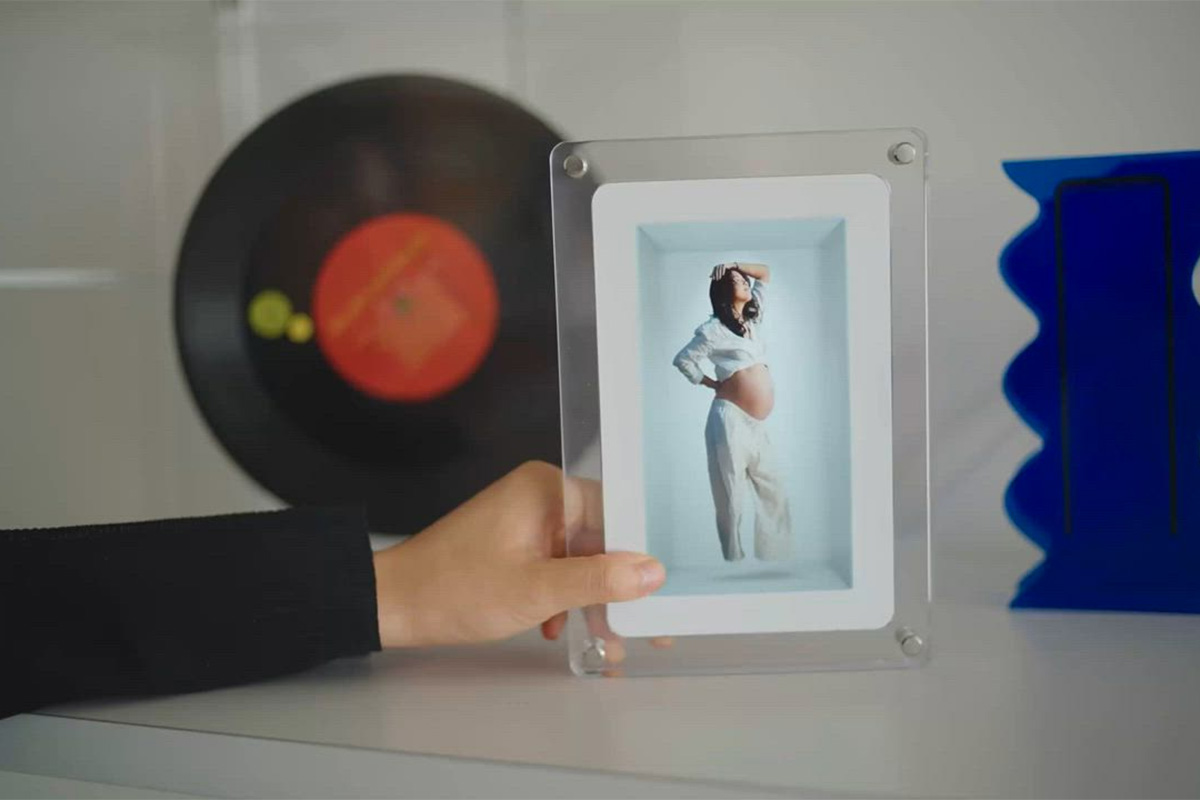
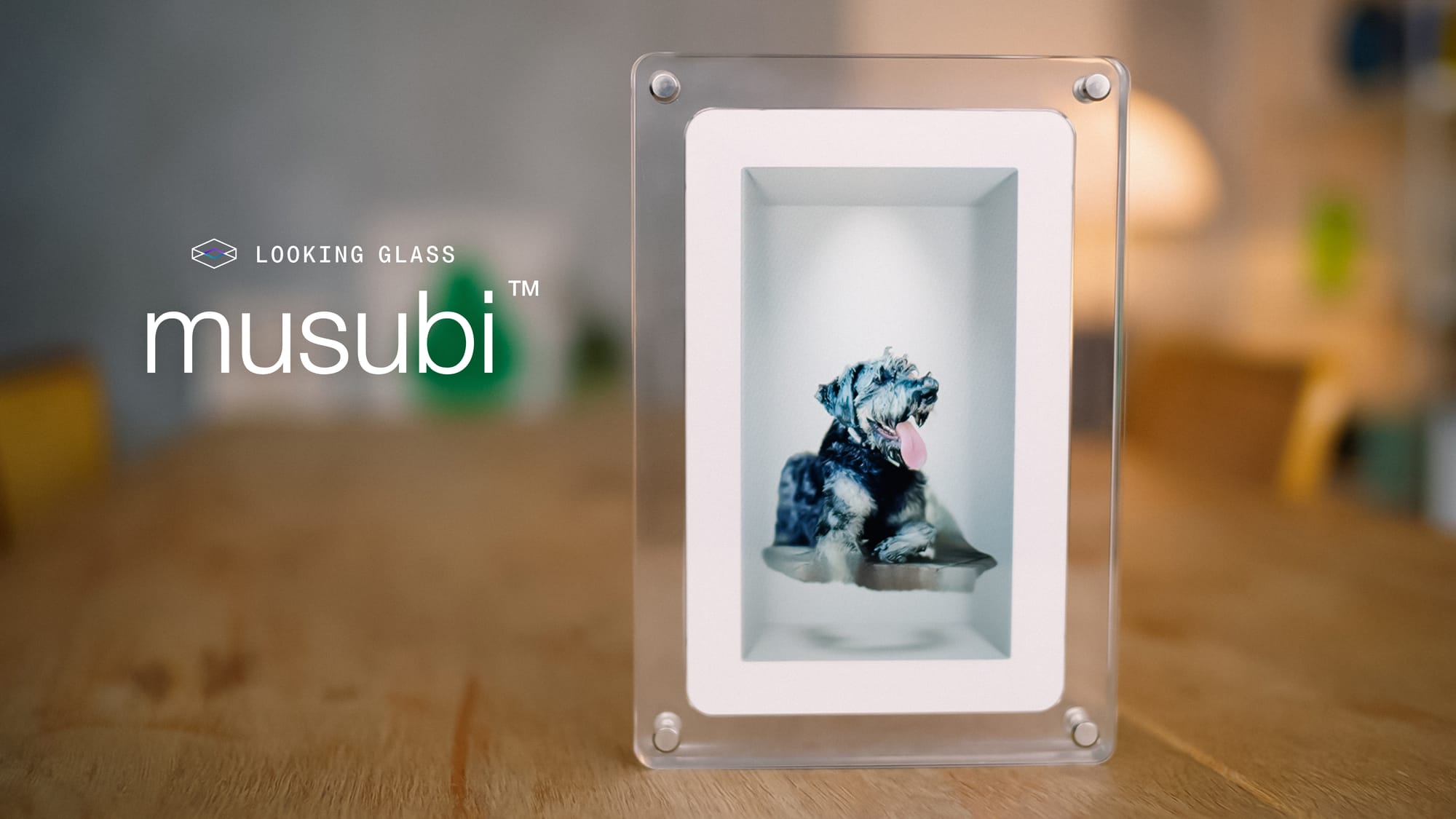
Looking Glass Factory — the company that has been quietly building holographic displays since 2014 — just dropped something that could change how we think about photos forever. On March 11, 2026, they launched musubi on Kickstarter: a 7-inch holographic photo and video frame that costs $99 early-bird ($149 retail) and ships in June 2026.
Here is what makes it click: you take any regular 2D photo or video from your phone, drop it into a free desktop app (Mac/PC), and the software automatically converts it into a holographic file using AI-powered Gaussian splatting. Transfer via USB-C, and your flat vacation photo is now a floating 3D moment you can view from multiple angles — no glasses, no headset, no calibration.
Under the Hood: Hololuminescent Display + Gaussian Splatting
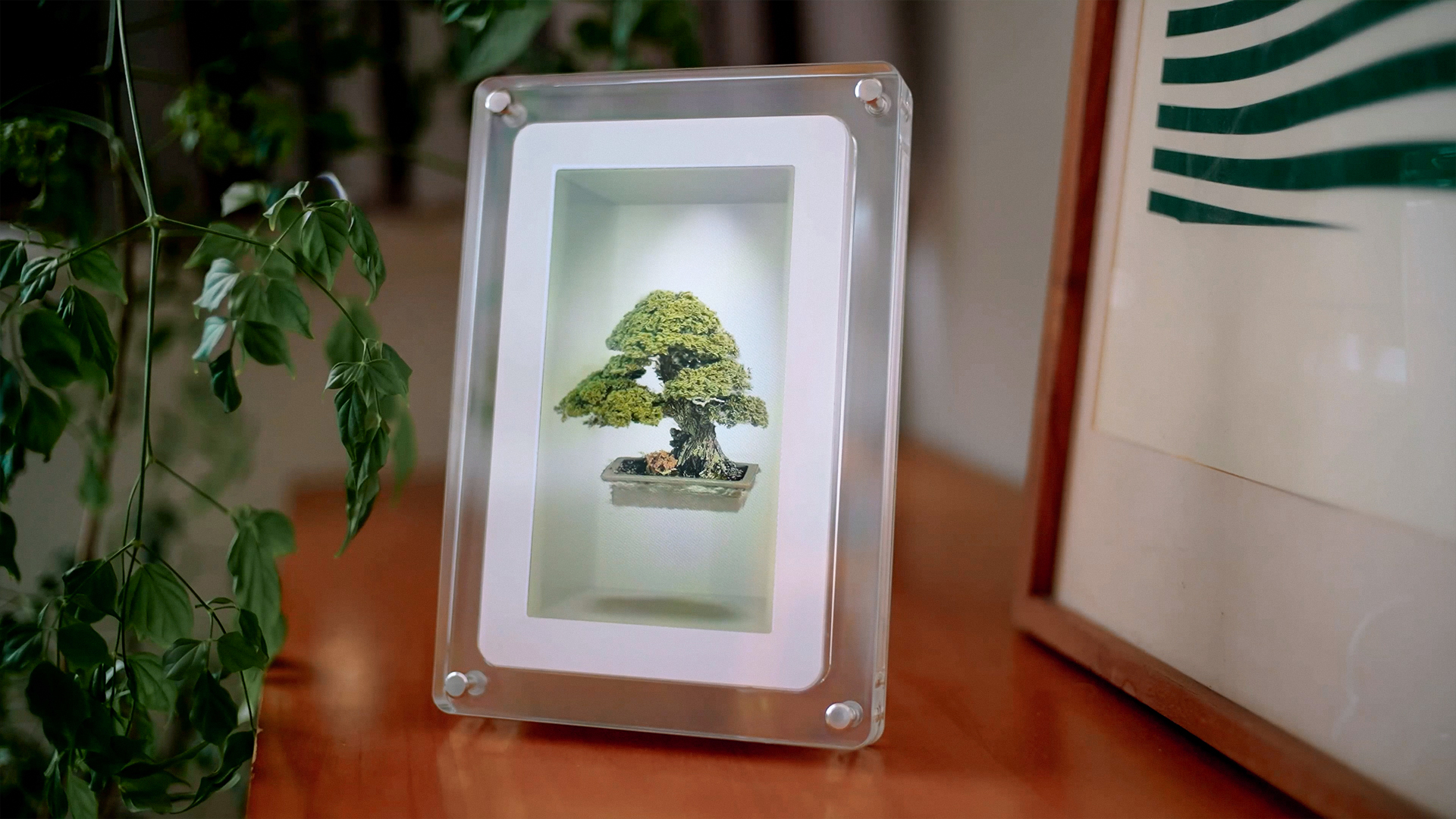
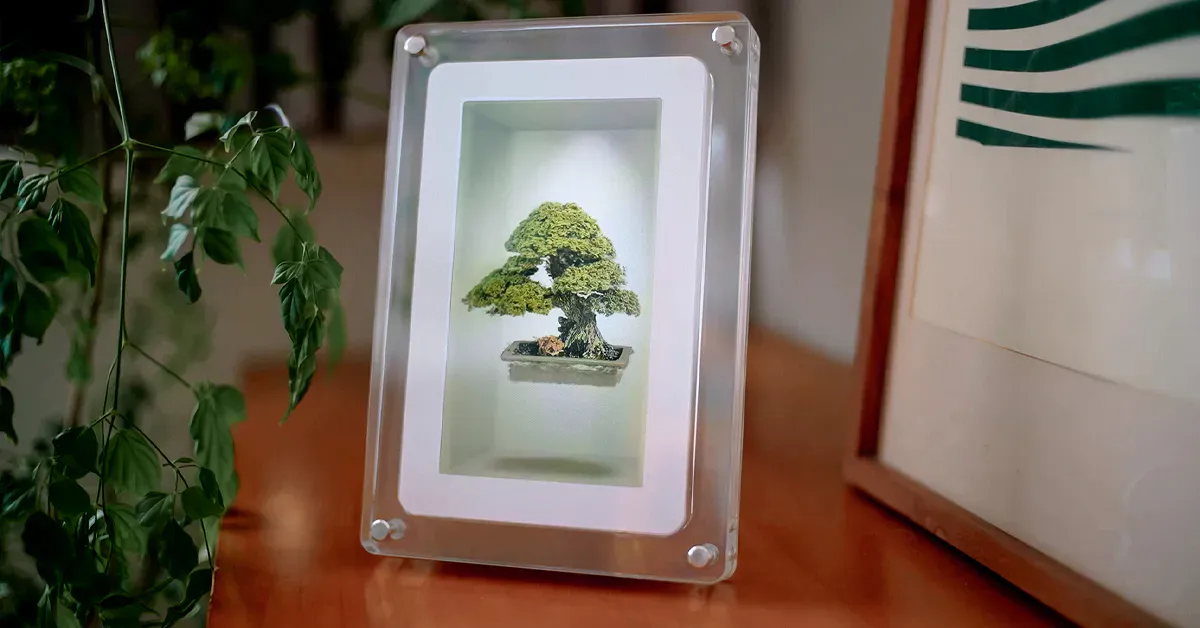
The magic here is the convergence of two technologies. First, the Hololuminescent Display (HLD) — Looking Glass’s patented tech that combines a standard 2D TFT-LCD screen with a fixed holographic volume layer. This creates the perception of depth and floating imagery for multiple viewers simultaneously. It is not volumetric 3D in the purest sense, but the effect is convincing enough that content appears to hover inside the frame.
Second, Gaussian splatting — the same technique that has been revolutionizing 3D scene reconstruction in research and production. The companion app uses AI to estimate depth from your 2D content, then generates a Gaussian splat representation that the HLD can render with proper parallax and shading as you move around it.
For 3D artists and Gaussian splatting practitioners, there is an extra treat: you can import your own .ply splat files directly. Looking Glass provides export templates for Unity, Unreal Engine, Blender, Premiere Pro, and After Effects. Your Gaussian splat captures can live on your desk as holographic display pieces.
Specs at a Glance
- Display: 7-inch portrait, 167 PPI (equivalent to 4K on a 27″ monitor)
- Storage: 8GB onboard — up to 1,000 holograms
- Video: Clips up to 30 seconds with built-in speaker
- Battery: 3 hours portable, or always-on via wall adapter
- Transfer: USB-C (no Wi-Fi required, no cloud, no subscription)
- Housing: Clear acrylic frame
- Processing: All conversion happens locally — your photos never leave your computer
- Price: $99 early-bird / $149 retail
- Shipping: June 2026 worldwide
Why You Should Care
We have been watching Gaussian splatting tear through the research world — from massive scene reconstruction to real-time rendering pipelines. But most of that stays trapped on screens or inside VR headsets. The musubi is the first product that takes this technology and puts it into a consumer form factor that your parents could use.
This matters because it creates a real consumer market for spatial media. When there is an affordable display that can show Gaussian splats in your living room, suddenly all those 3D captures you have been making have a home. It is also a signal: holographic displays are no longer $3,000 dev kits for studios. They are photo frames you give as gifts.
Try It / Back It
- Kickstarter campaign: Back musubi on Kickstarter
- Looking Glass Factory: lookingglassfactory.com
- Official blog post: Product announcement
- Developer tools: Export templates for Unity, Unreal, Blender, Premiere Pro, After Effects
IK3D Lab Take
This is the kind of product that makes you realize Gaussian splatting is not just a research flex — it is becoming infrastructure. At $99, the musubi is an impulse buy that could introduce millions of people to spatial media without them ever hearing the word “splat.” The fact that you can import raw .ply files directly makes it genuinely useful for 3D artists who want to showcase their work beyond a screen. The catch? It is Kickstarter, and Looking Glass has had a bumpy history with consumer products. But if they deliver, this could be the gateway drug to holographic displays going mainstream.